Project Istria
Nature. Heritage. Myth.
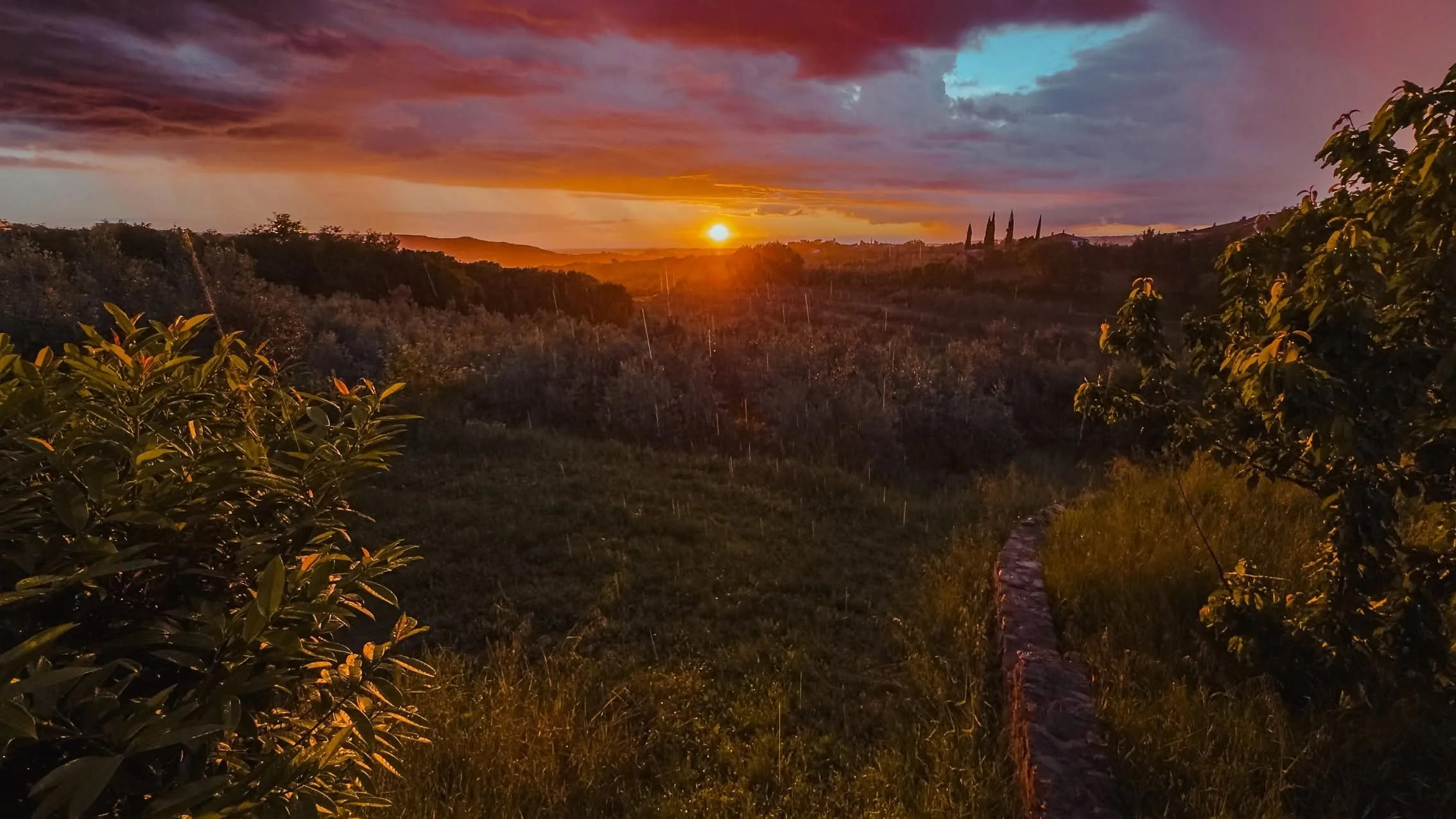
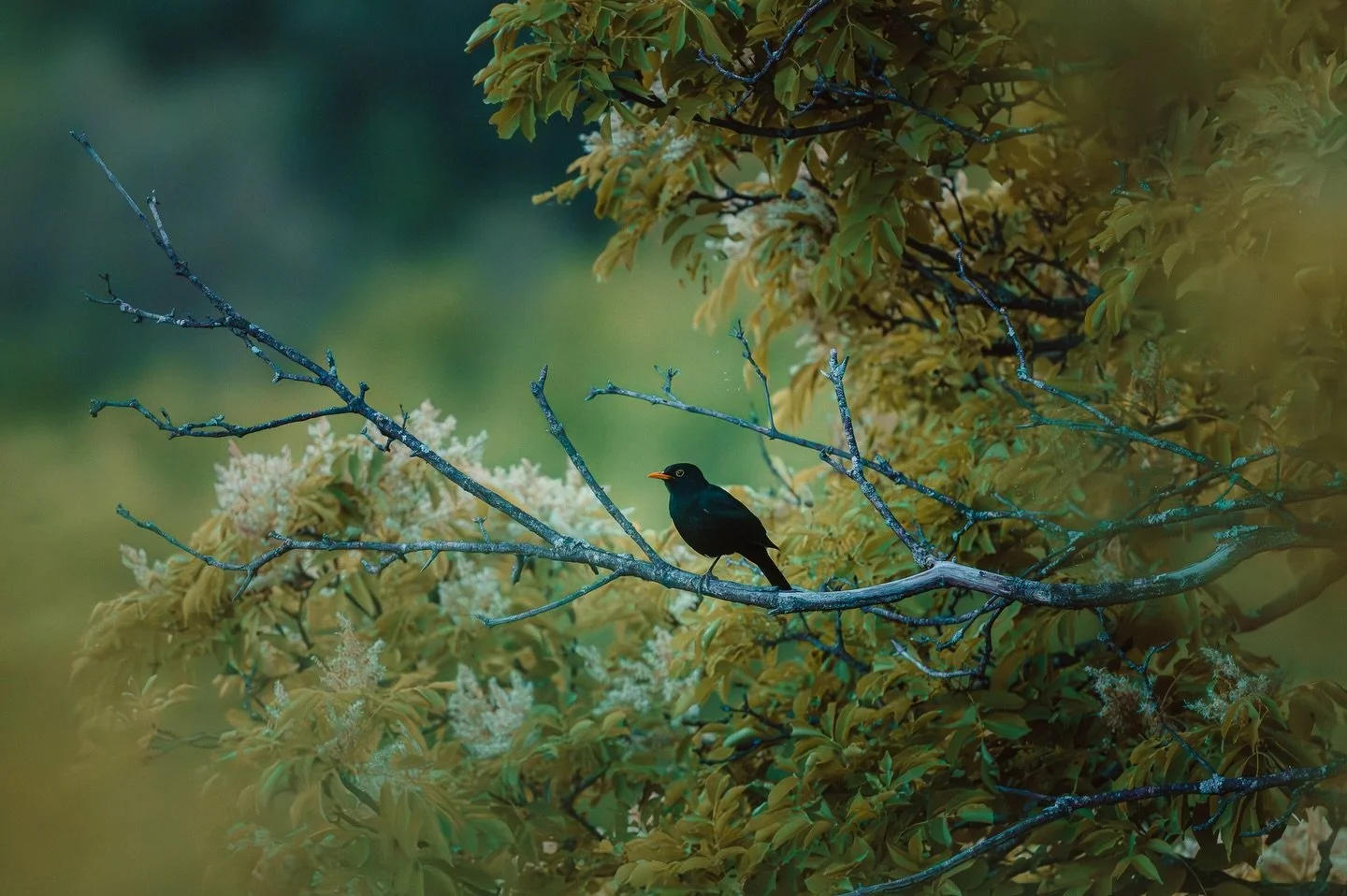
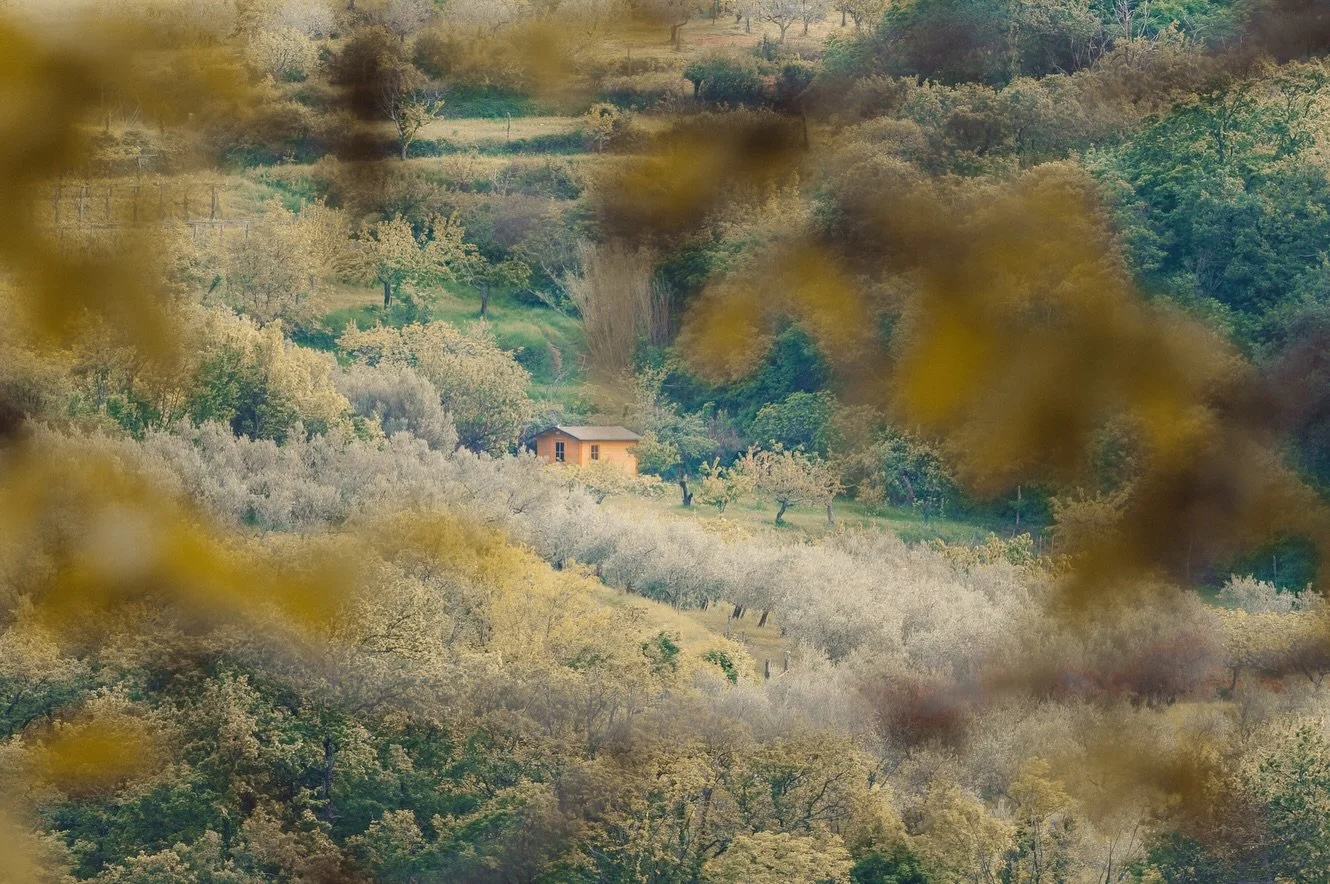
The spirit of this land is tangible, primal, mystical. It dwells in green forests, beyond the beaten paths, in old stone houses, ancient wells and stone walls, along the seashore and in sunlit grassy fields.
— Natali
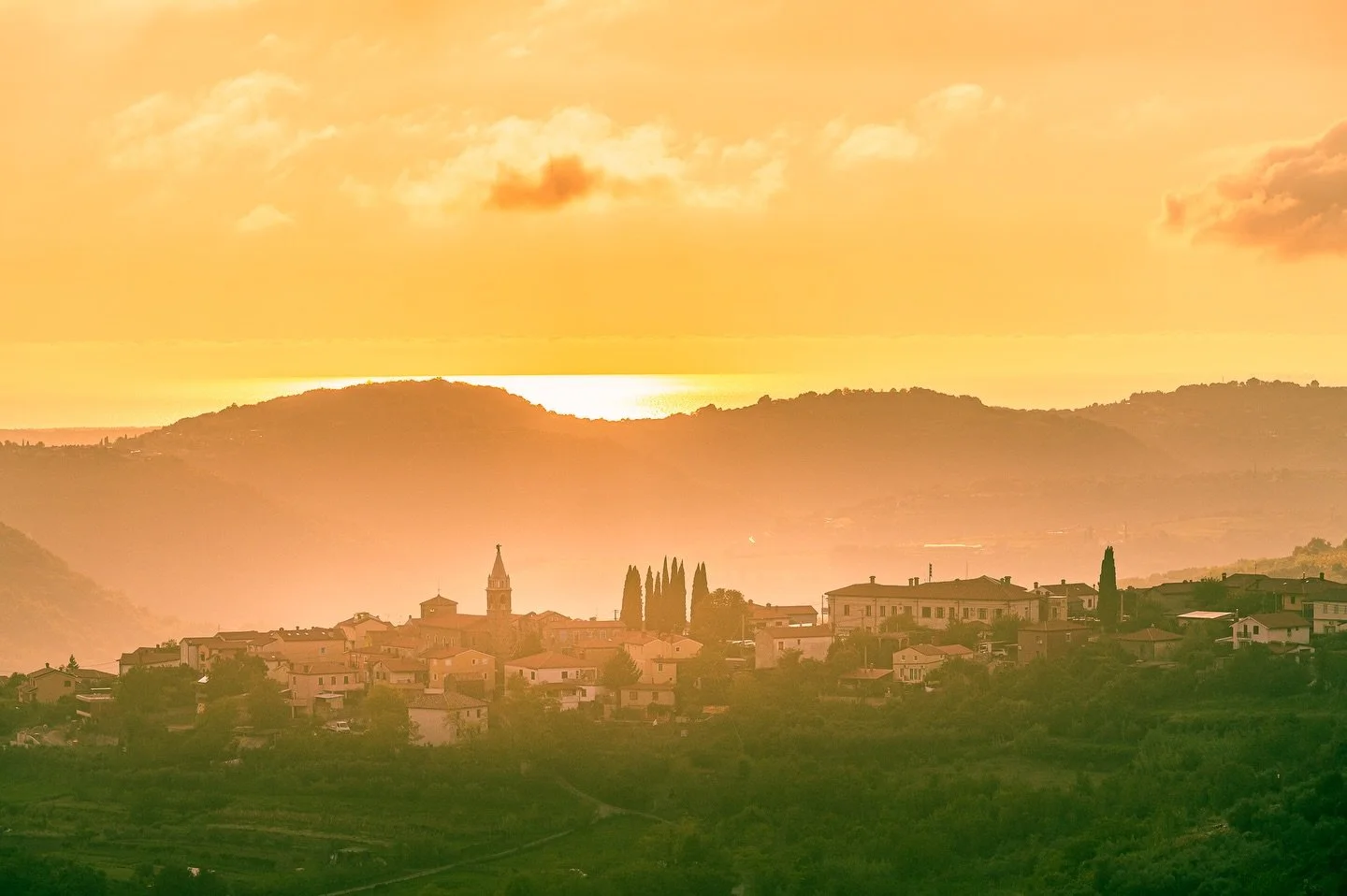
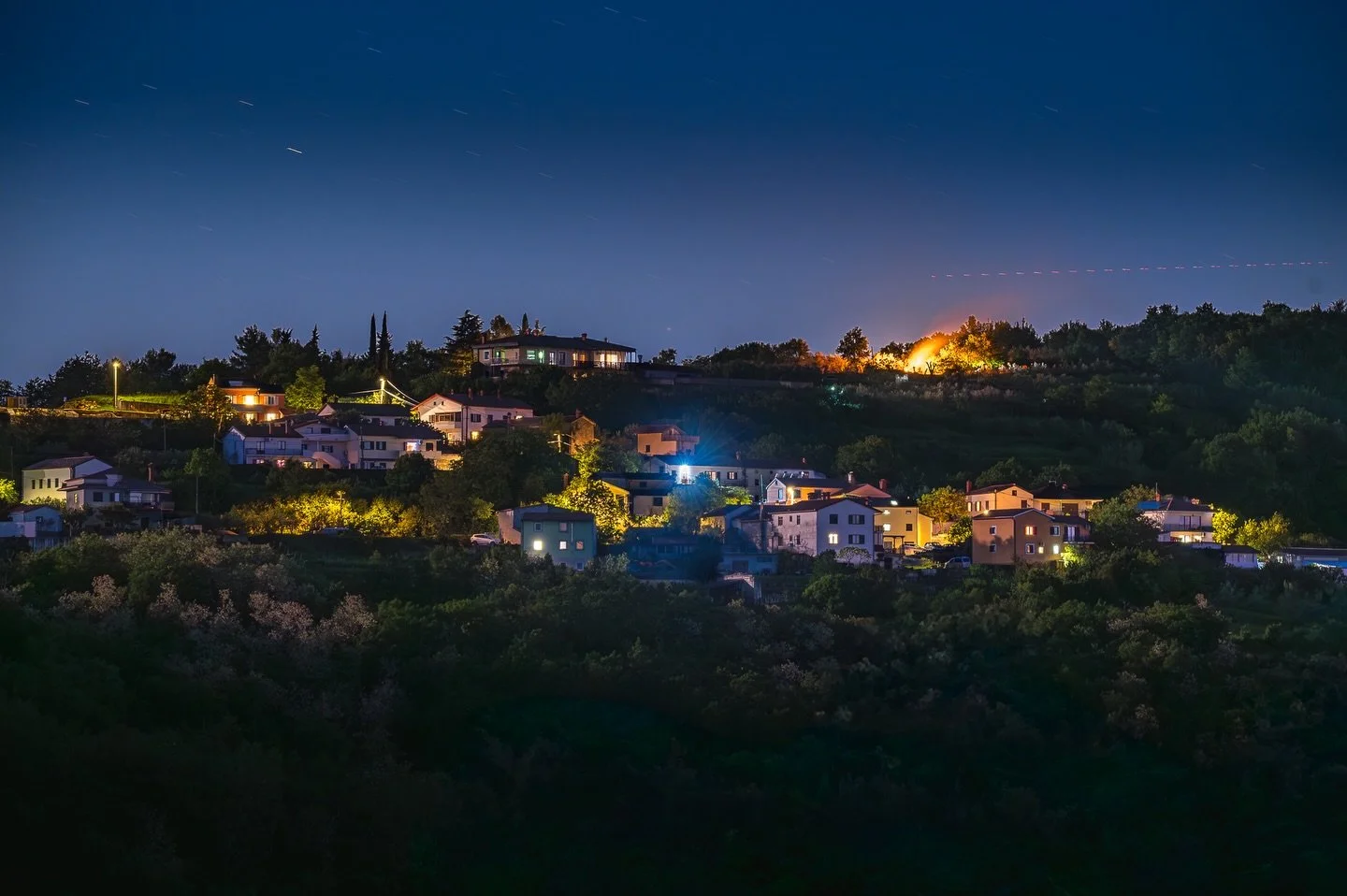
View from Dvori, Sv. Anton.
Tinjan, 361,9 m.
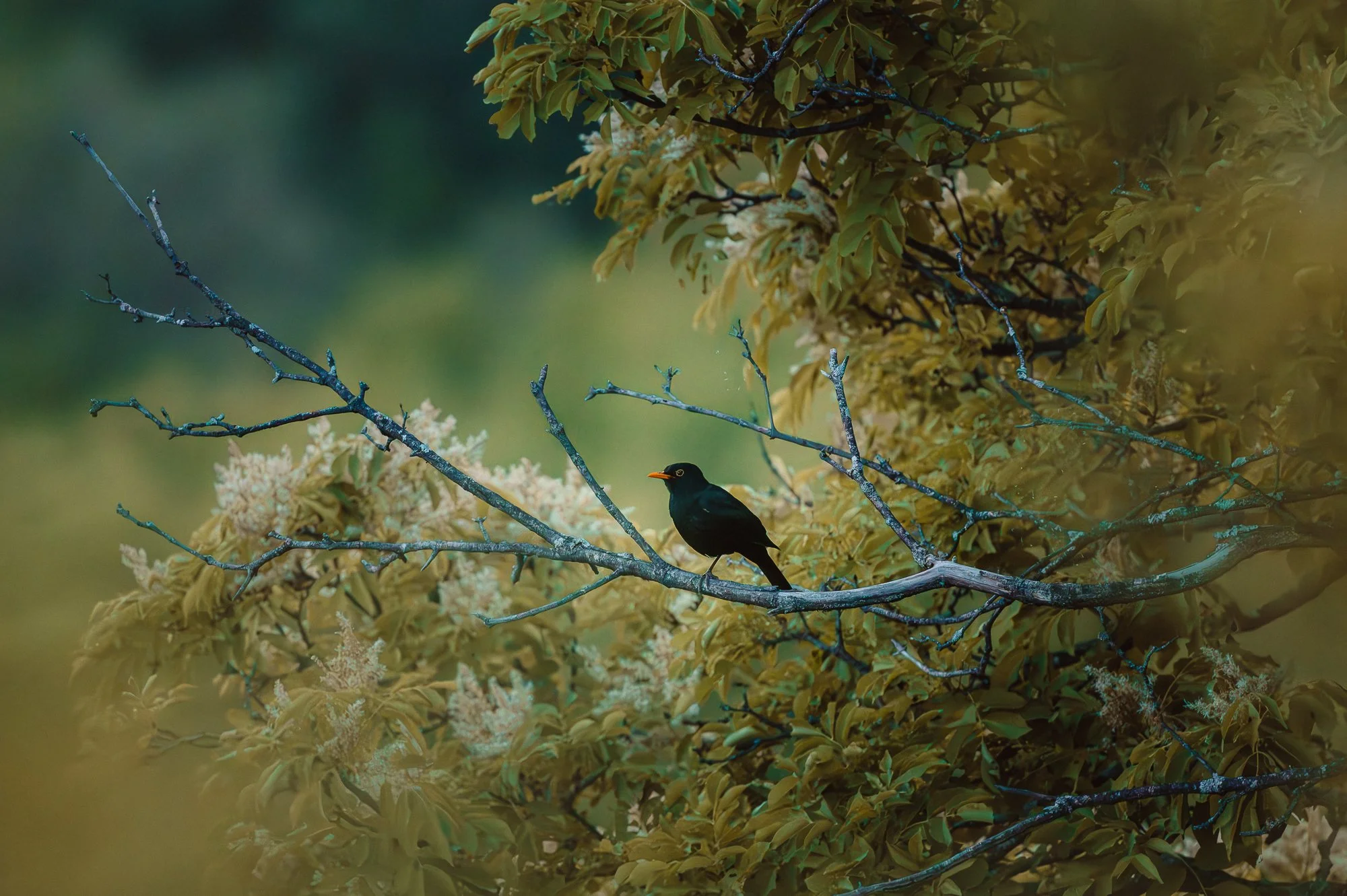
NATURE
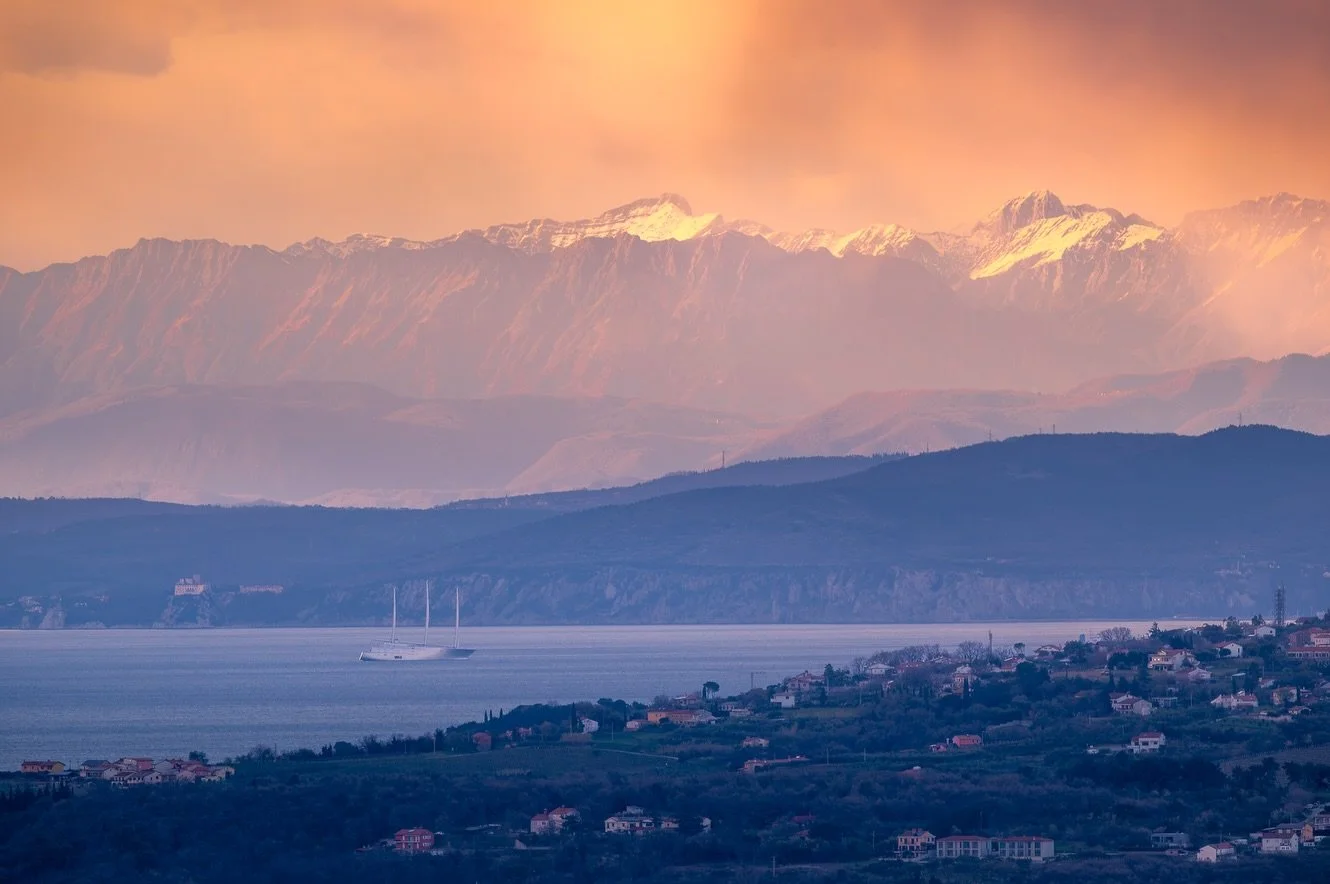
Slovenian Istria stretches along the Adriatic coast and captivates visitors with its blend of natural beauty. Lush vineyards, olive groves, and rolling hills adorn the landscape, creating a picturesque backdrop.
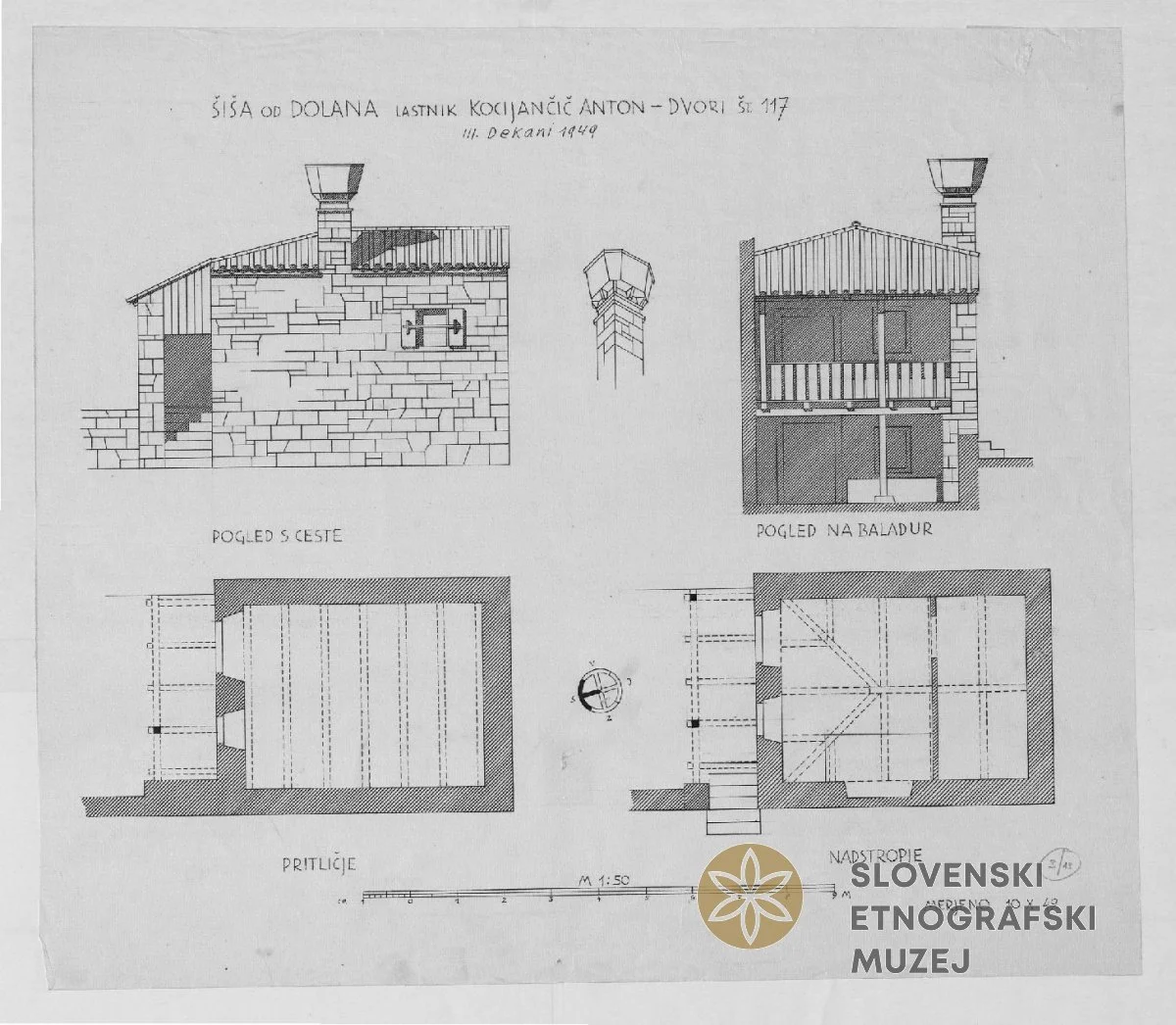
HERITAGE
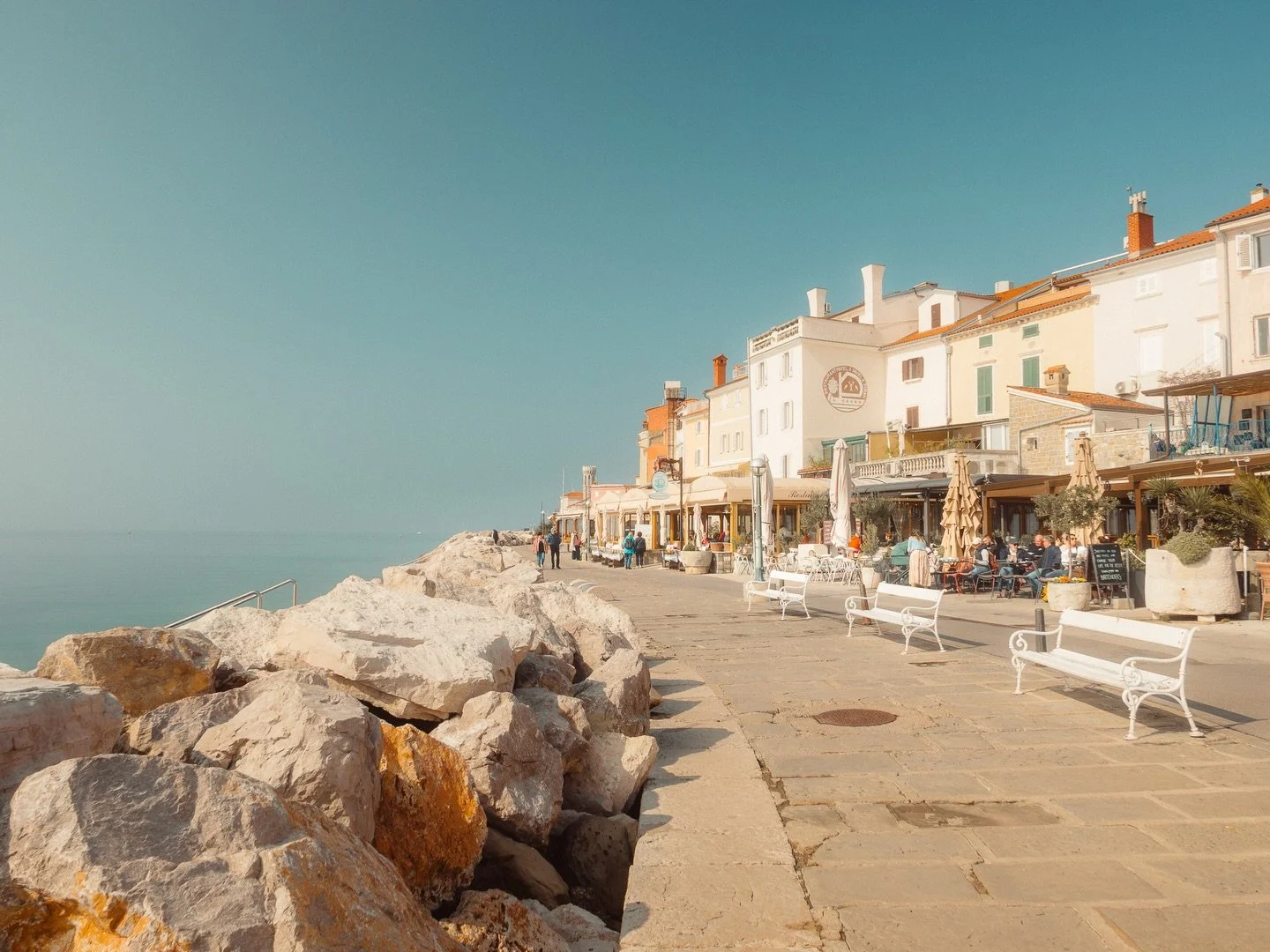
Slovenian Istria, a region along the Adriatic Sea, boasts a rich history shaped by various cultures. In ancient times, it was inhabited by the Histri tribes and later became part of the Roman Empire. Over the centuries, it came under the influence of the Venetian Republic, the Austro-Hungarian Empire, and the Kingdom of Italy. After World War II, the area became part of Yugoslavia, and in 1991, Slovenia gained its independence. Today, Slovenian Istria reflects its vibrant past through charming towns and cultural treasures that reveal the many layers of its historical journey.
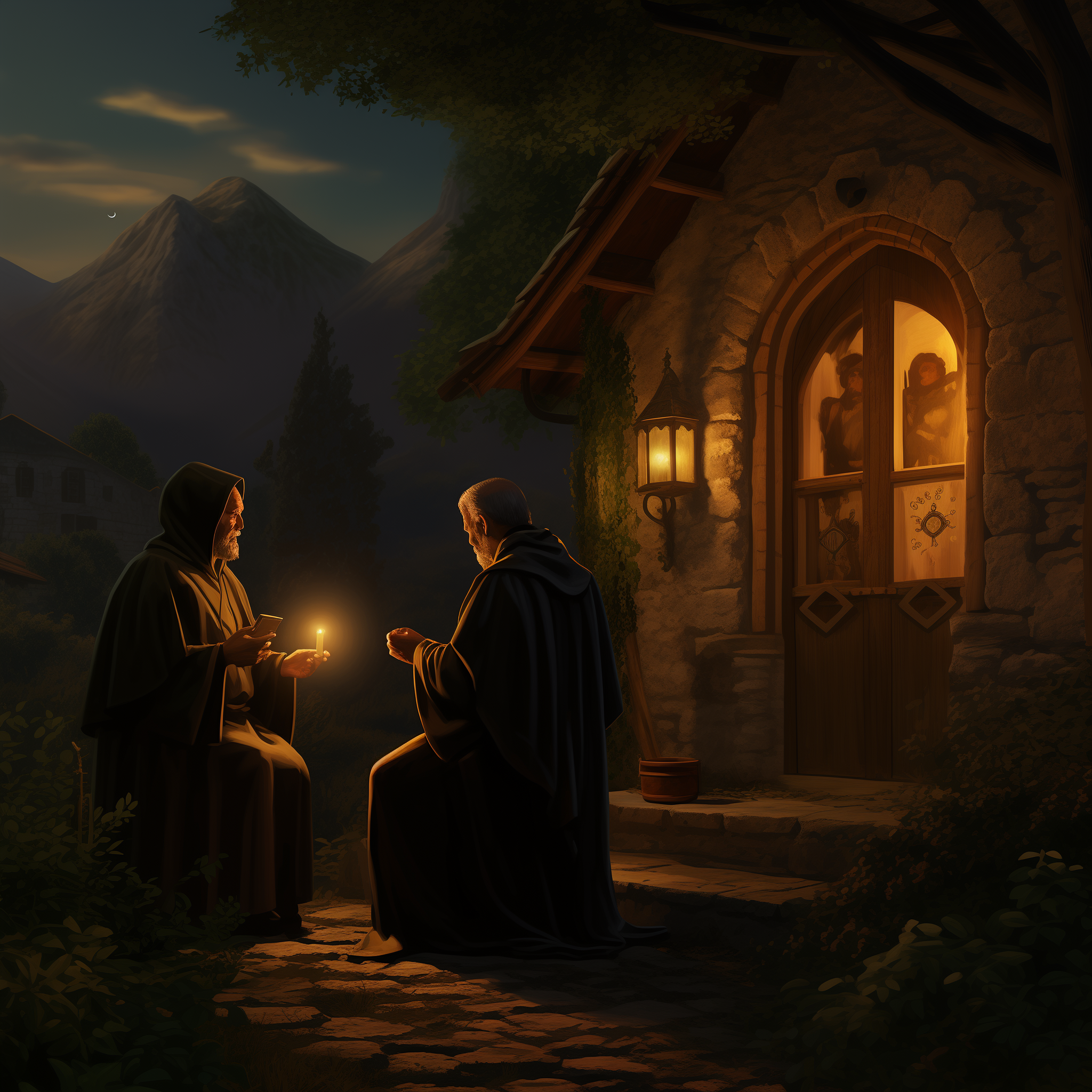
MYTH
Istria is steeped in rich tradition. Its ancient roots echo in tales of mystical beings and enchanted landscapes. Legends speak of hidden treasures, monsters, witches, and wizards. On the hills and highlands once tied to pagan rituals, Christian festivals now take place, creating a unique fusion of spiritual practices. Churches and chapels are scattered across the countryside, their stories resonating through time. Istrian folklore weaves between the ancient and the modern, where stories of saints and miracles coexist with old myths.