THE LEGACY
– WHERE THE ADRIATIC SEA MEETS THE ISTRIAN HILLS –
Istria’s cultural inheritance took shape through centuries of exchange between its Adriatic ports and inland villages. Its stone houses and terraced fields hold the memory of generations who worked the land, while its dialects carry echoes of the languages that met here. That inheritance lives on in the tending of olive groves and vineyards, in kitchens that follow the seasons, and in the stories still shared around the family table.
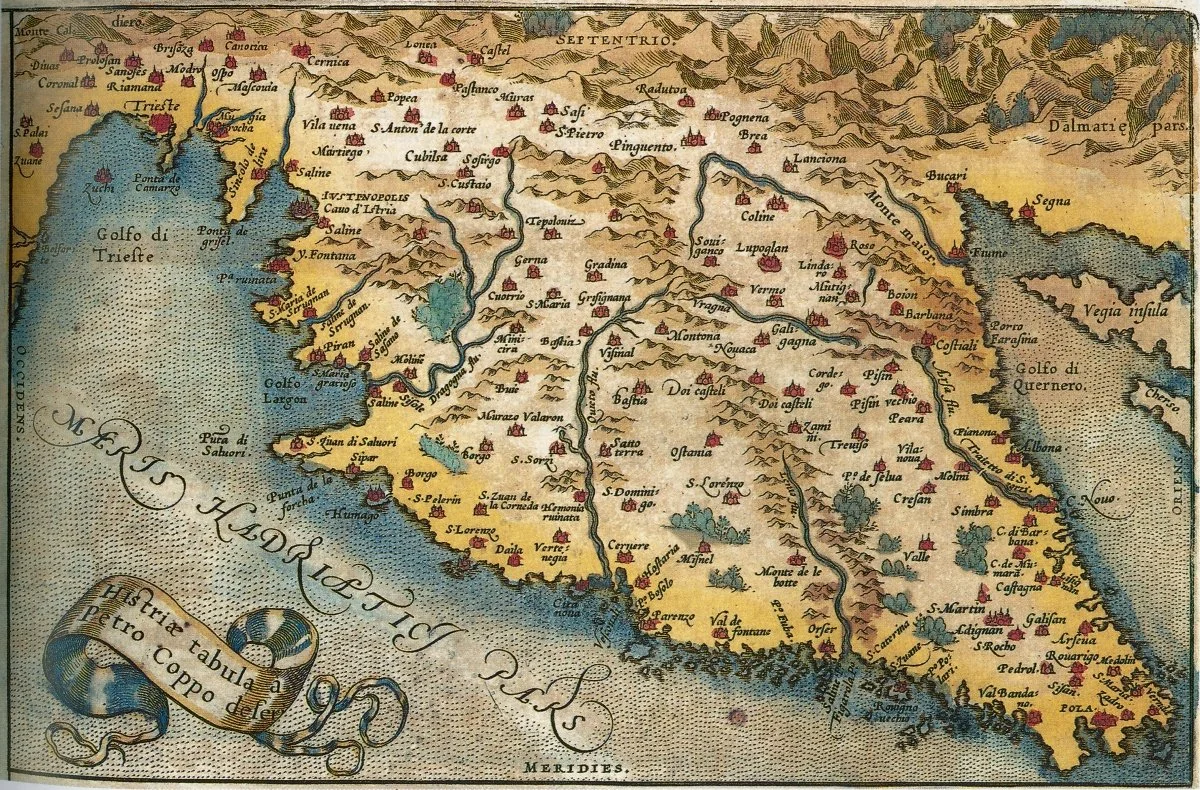
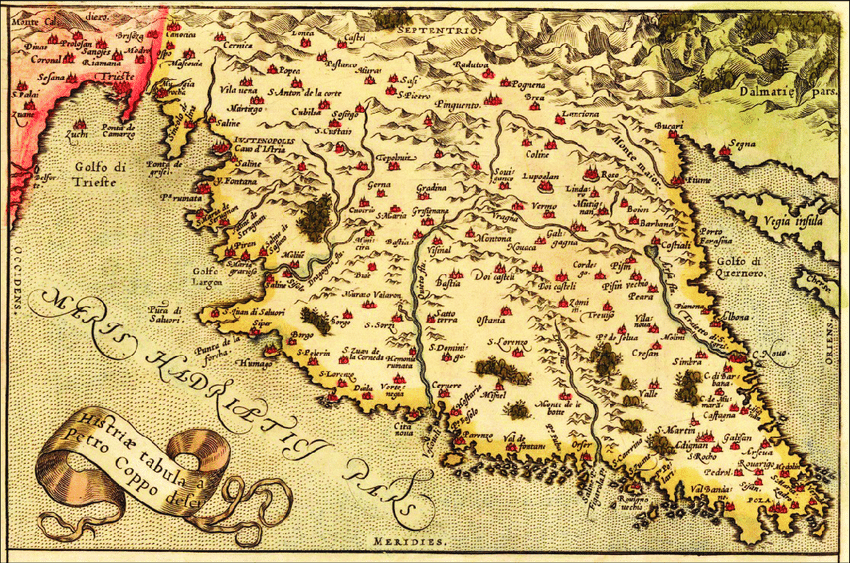
A Brief History of Slovenian Istria
Slovenian Istria, nestled along the Adriatic coast, is a region steeped in rich history and cultural heritage. Its story begins millennia ago, shaped by the ebb and flow of empires, the resilience of its people, and the enduring spirit of its land.
Ancient Roots
The history of Slovenian Istria dates back to antiquity, with evidence of human habitation found in archaeological sites dating back to the Neolithic period. Throughout the centuries, the region was inhabited by Illyrian tribes, followed by the Romans, who left behind traces of their civilization in the form of villas, amphitheaters, and roads.
Medieval Legacy
In the Middle Ages, Slovenian Istria was part of the Byzantine Empire before coming under the rule of the Carolingian Empire and later the Holy Roman Empire. The region witnessed the rise of powerful feudal lords, such as the Counts of Gorizia and the Patriarchs of Aquileia, whose influence shaped its political and cultural landscape.
Venetian Influence
By the 15th century, Slovenian Istria fell under the dominion of the Venetian Republic, marking a period of significant economic and cultural development. Venetian merchants established thriving trade routes, bringing prosperity to coastal towns like Koper, Izola, and Piran. The Venetian influence is evident in the region's architecture, cuisine, and maritime traditions.
Habsburg Rule
In the 18th century, Slovenian Istria came under Habsburg rule following the fall of the Venetian Republic. Under Austrian administration, the region experienced a period of relative stability and modernization, with the construction of roads, schools, and administrative buildings. However, the Habsburg era also saw the rise of nationalist movements and tensions between different ethnic groups.
20th Century Turmoil
The 20th century brought significant upheaval to Slovenian Istria, as the region witnessed the collapse of the Austro-Hungarian Empire, the formation of Yugoslavia, and the ravages of two world wars. During World War II, Slovenian Istria was occupied by Italian and German forces, leading to widespread suffering and displacement among the local population.
Modern Era
Following World War II, Slovenian Istria became part of the Socialist Federal Republic of Yugoslavia under Marshal Tito's rule. The region experienced rapid industrialization and urbanization, with the growth of port cities like Koper and the development of tourism along the Adriatic coast. After Slovenia gained independence in 1991, Slovenian Istria became an integral part of the Republic of Slovenia, embracing its European identity while preserving its unique cultural heritage.
Today, Slovenian Istria continues to thrive as a vibrant region renowned for its scenic beauty, cultural diversity, and warm hospitality. From its ancient towns and picturesque villages to its sun-drenched vineyards and olive groves, Slovenian Istria invites visitors to explore its timeless charm and discover the enduring legacy of its storied past.
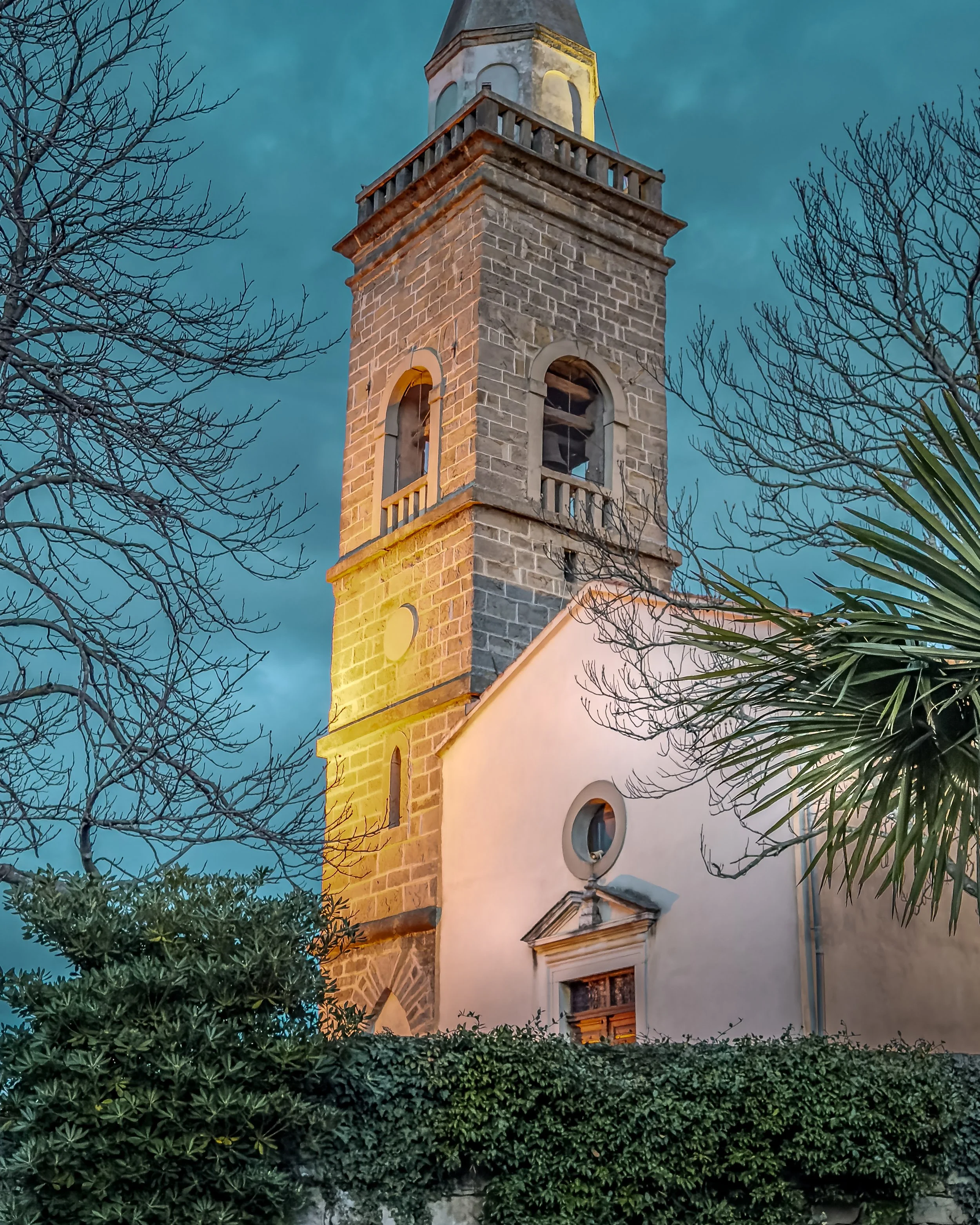
The Church of St Anthony is a Baroque single-nave church with a square presbytery and a bell tower from 1847. (Photo: Natali Gak)
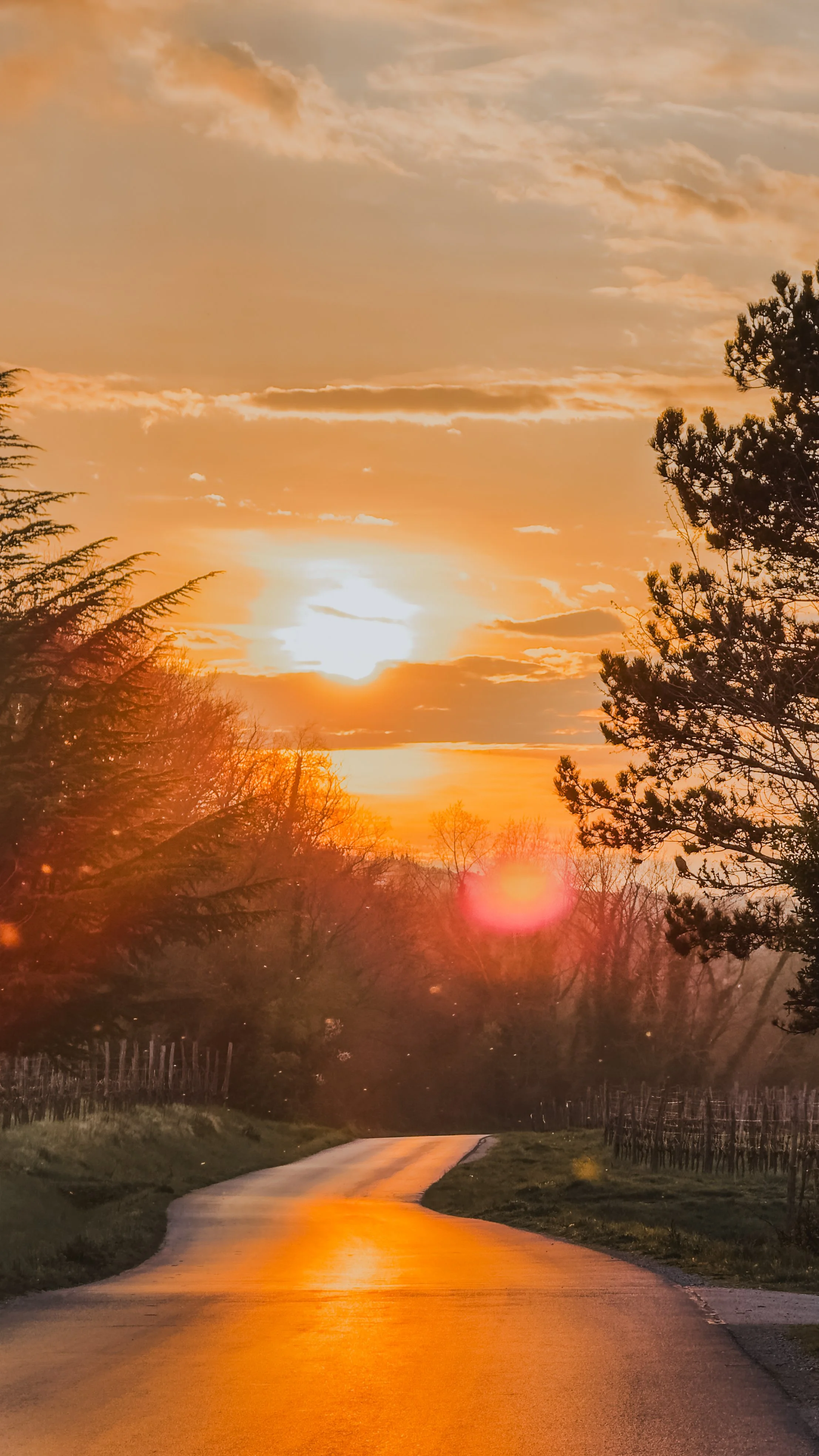
Road from Miši to Dekani. (Photo: Natali Gak)
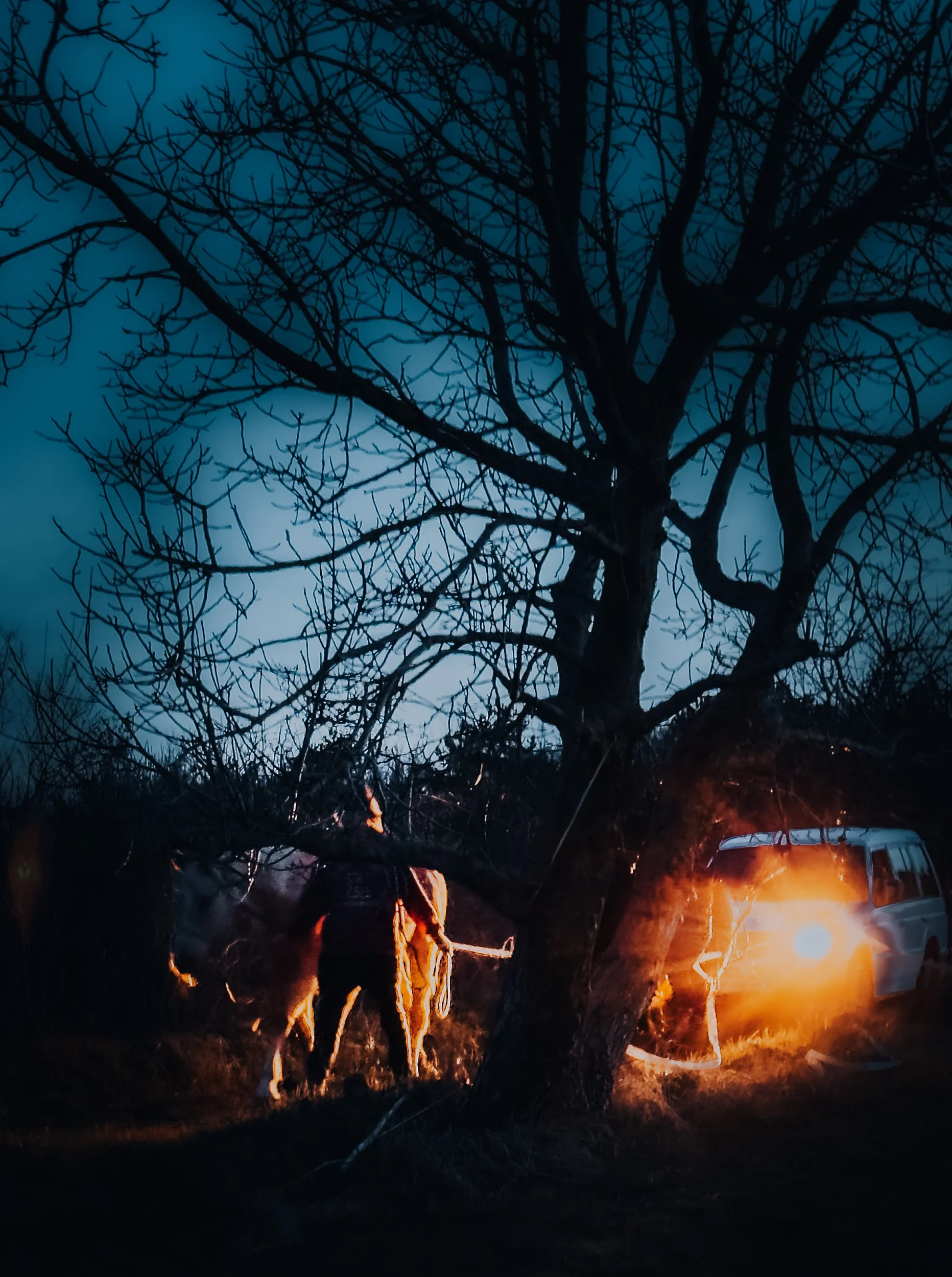
Boškarin getting home after dark. (Photo: Natali Gak)
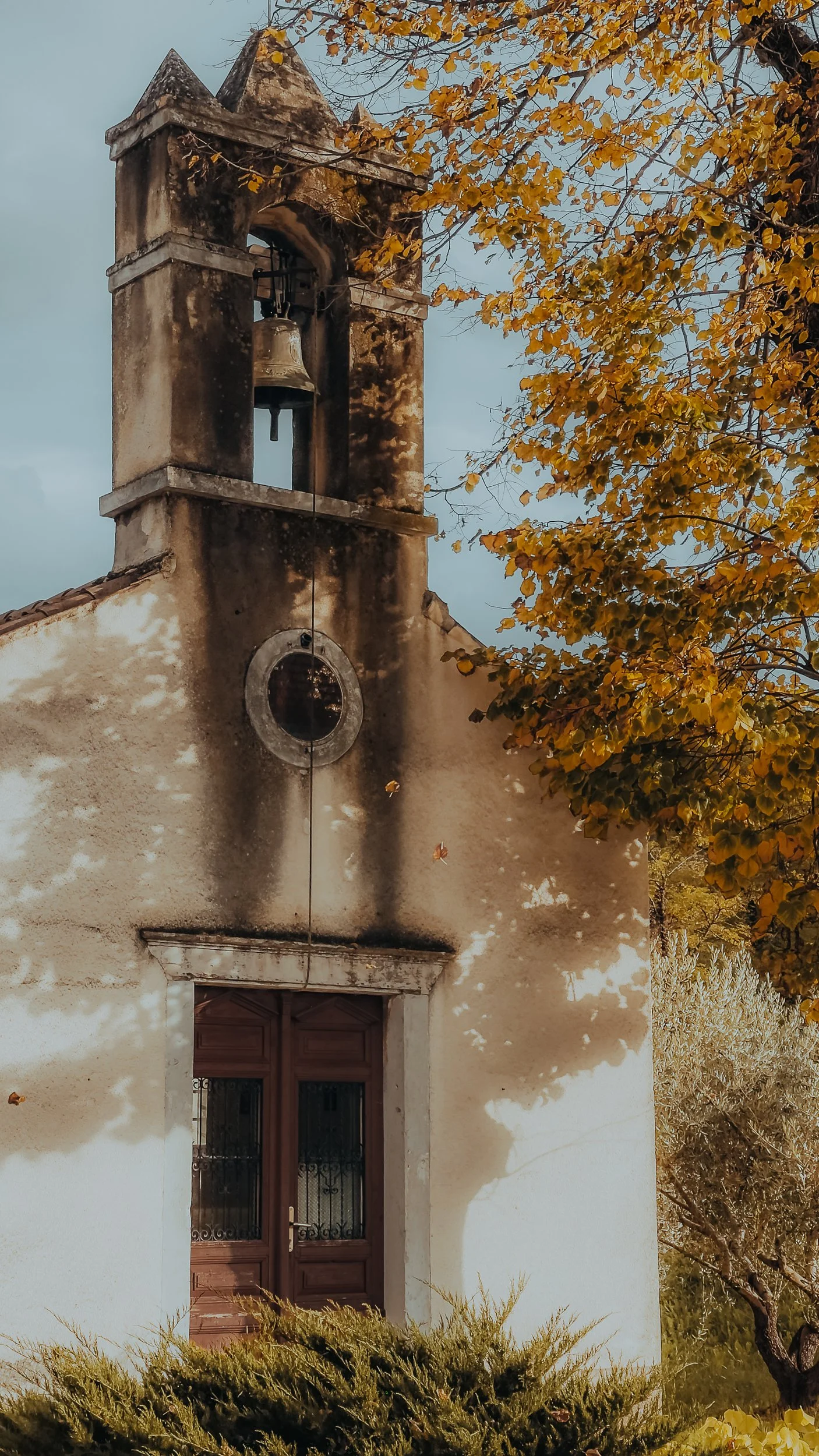
The Church of Virgin Mary the Helper in Vanganel. It is a single-nave church with a bell-gable that was supposedly built in the 19th century. (Photo: Natali Gak)
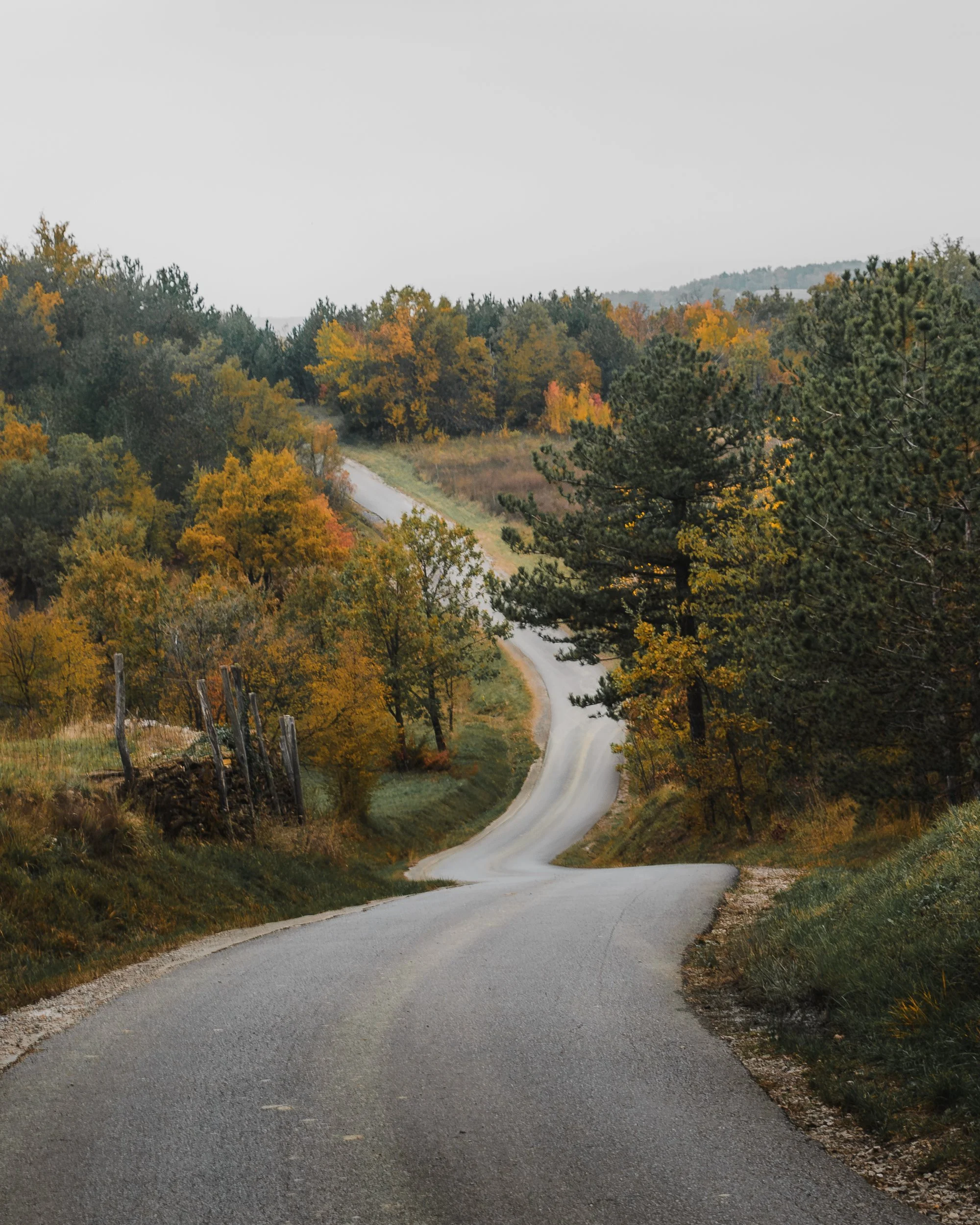
Road from Popetre to Lopar. (Photo: Natali Gak)
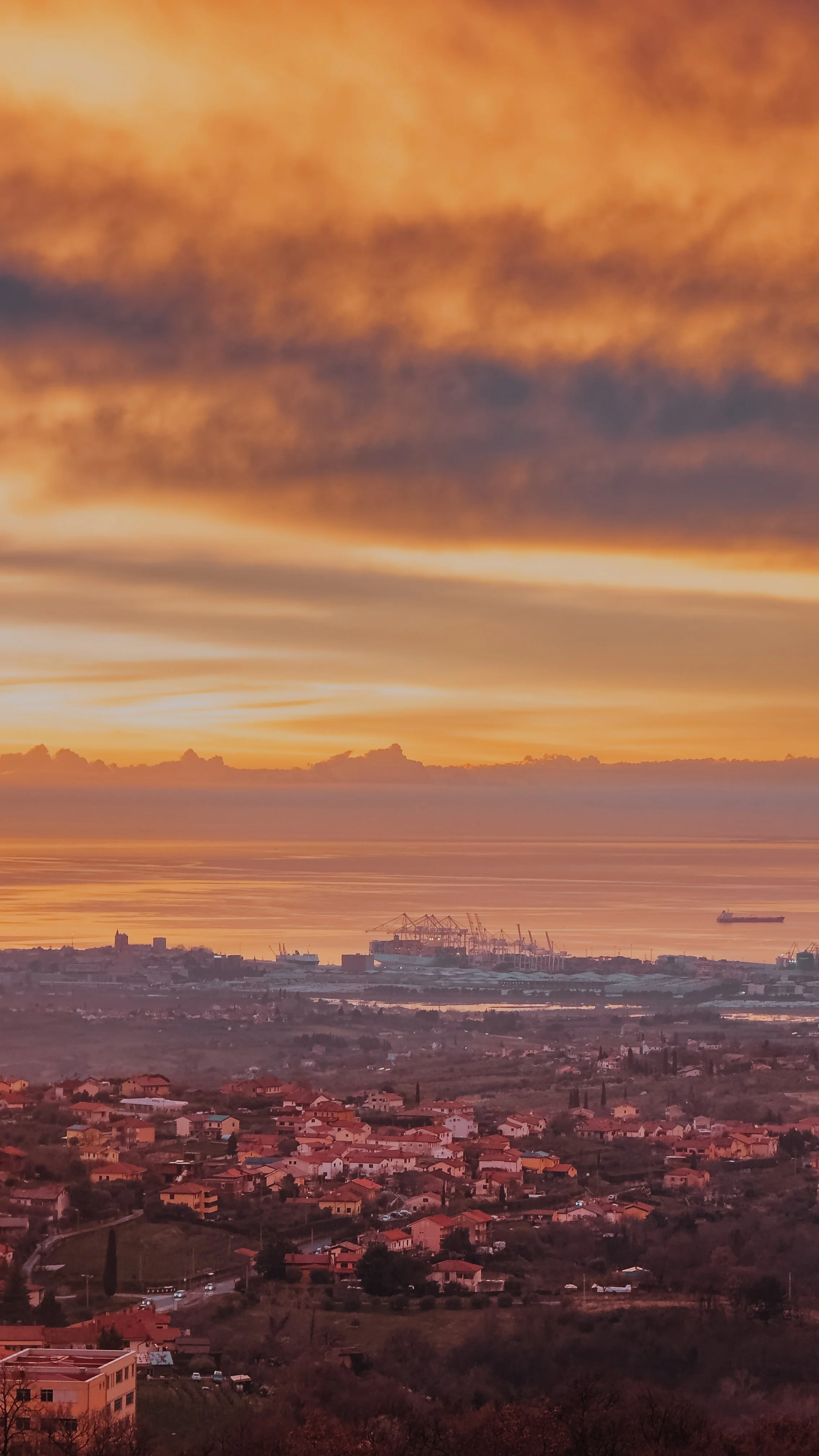
View of the Bay of Koper. (Photo: Natali Gak)
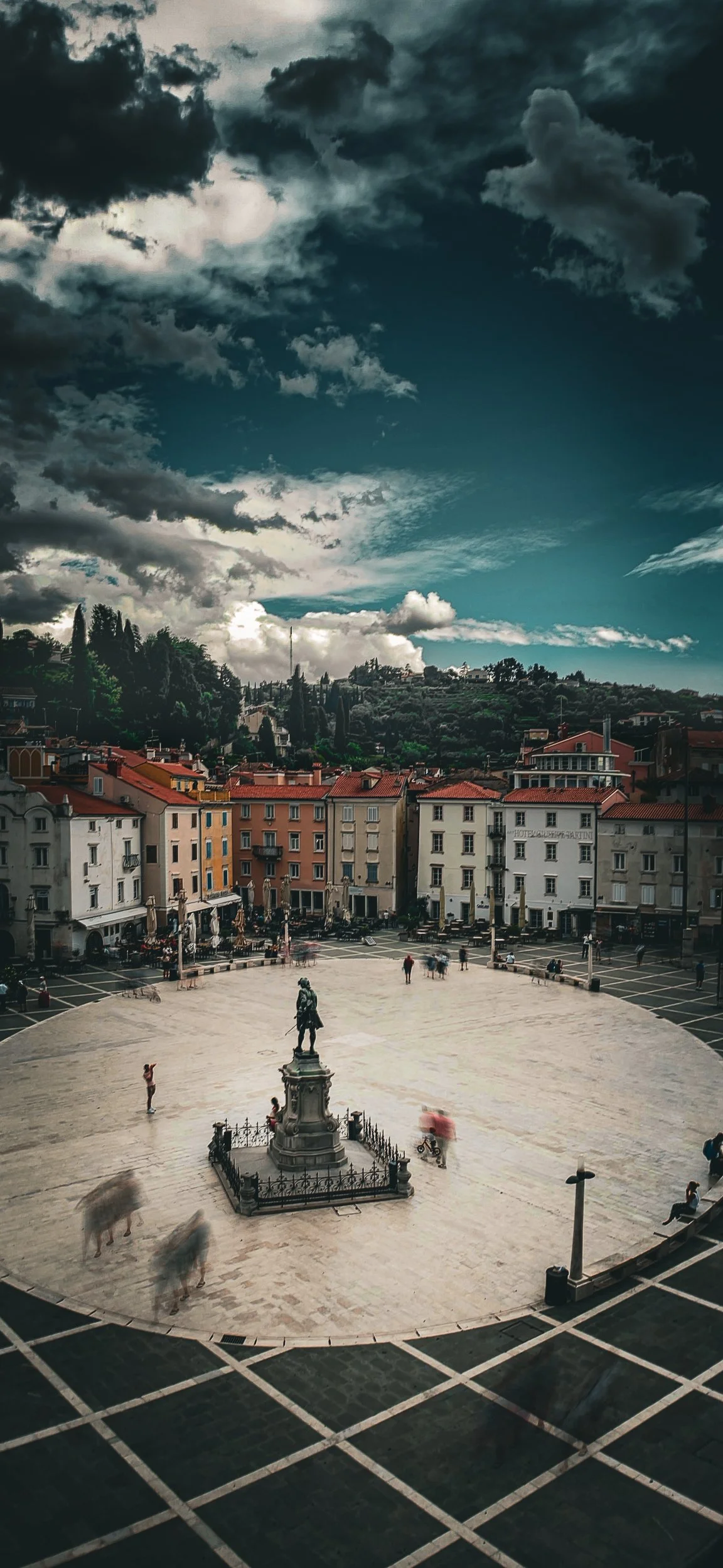
Storm above Tartini square in Piran. (Photo: Natali Gak)
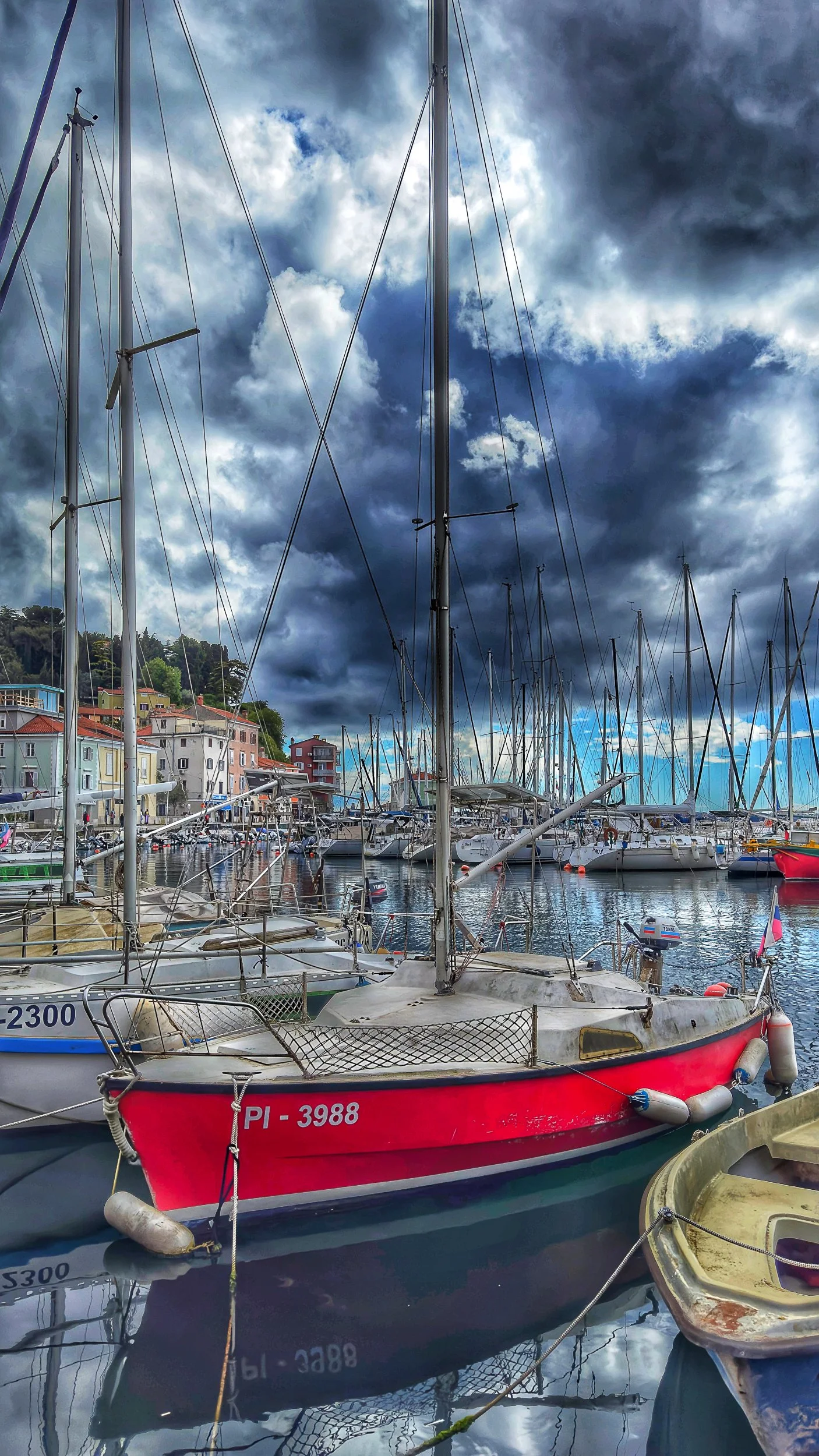
Mandrač of Piran. (Photo: Natali Gak)
BOOK YOUR STAY AT VILLA DOMENICO
Check-in: 17:00 - 20:00
Check-out: 8:00 - 11:00