A VIBRANT COMMUNITY
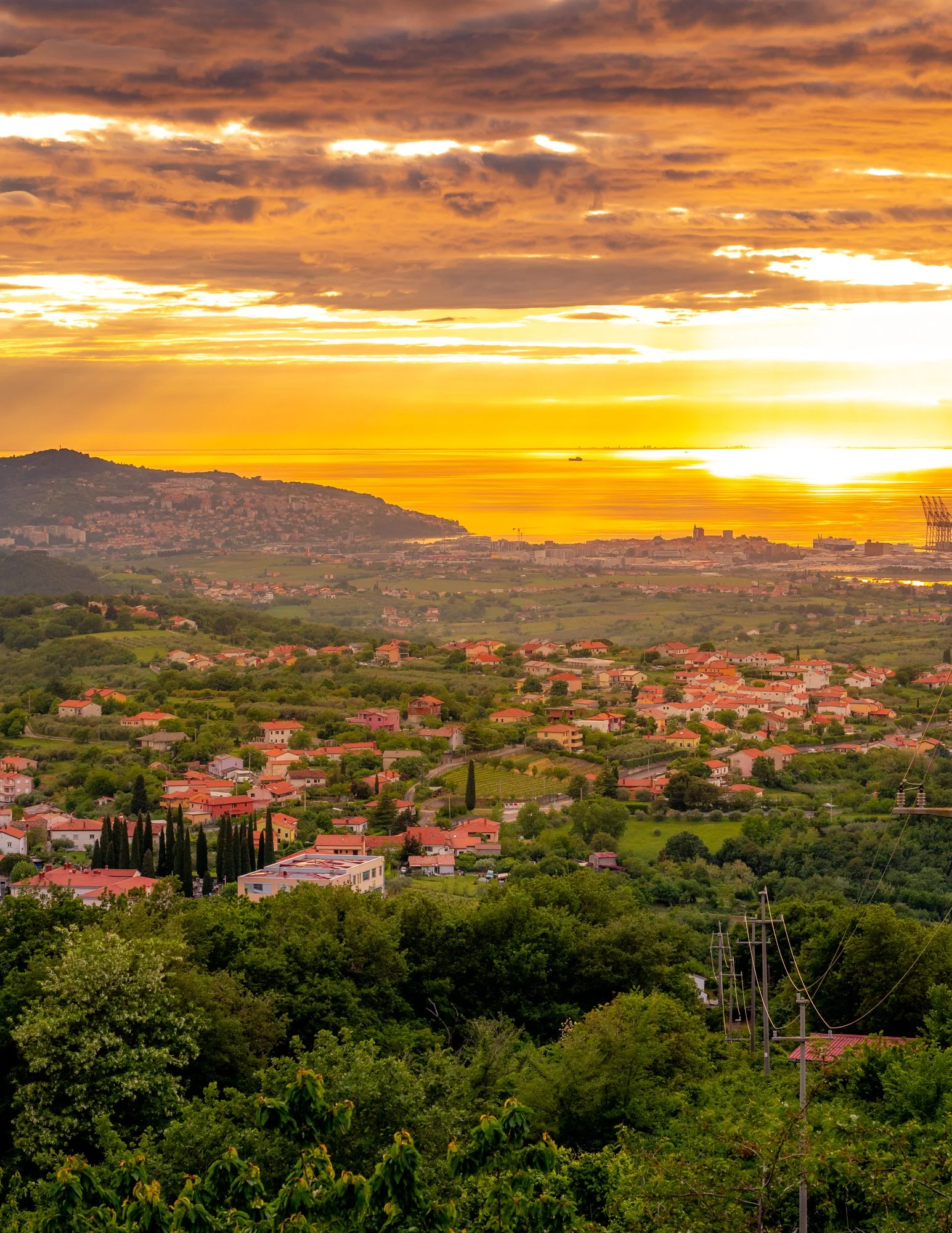
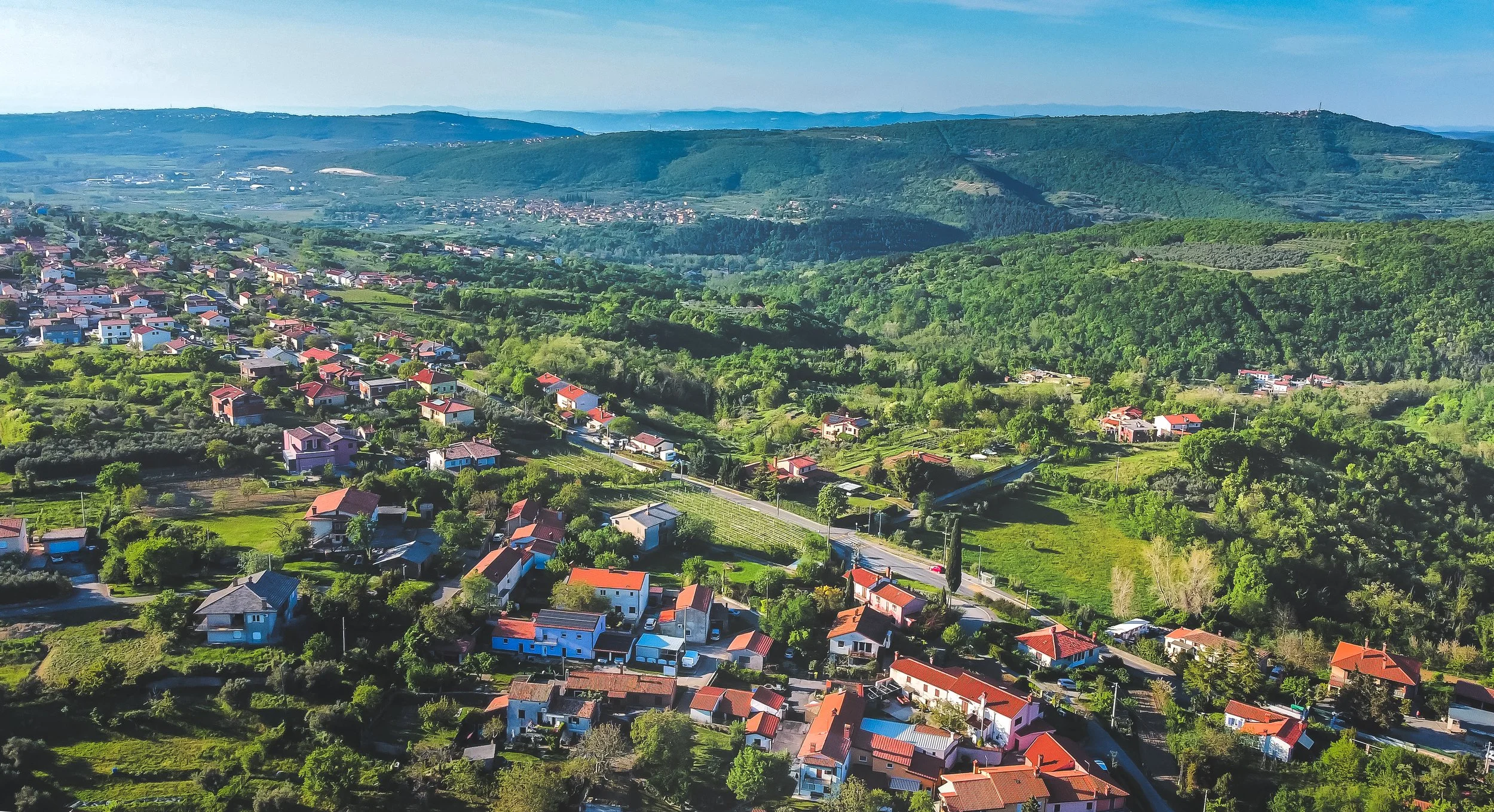
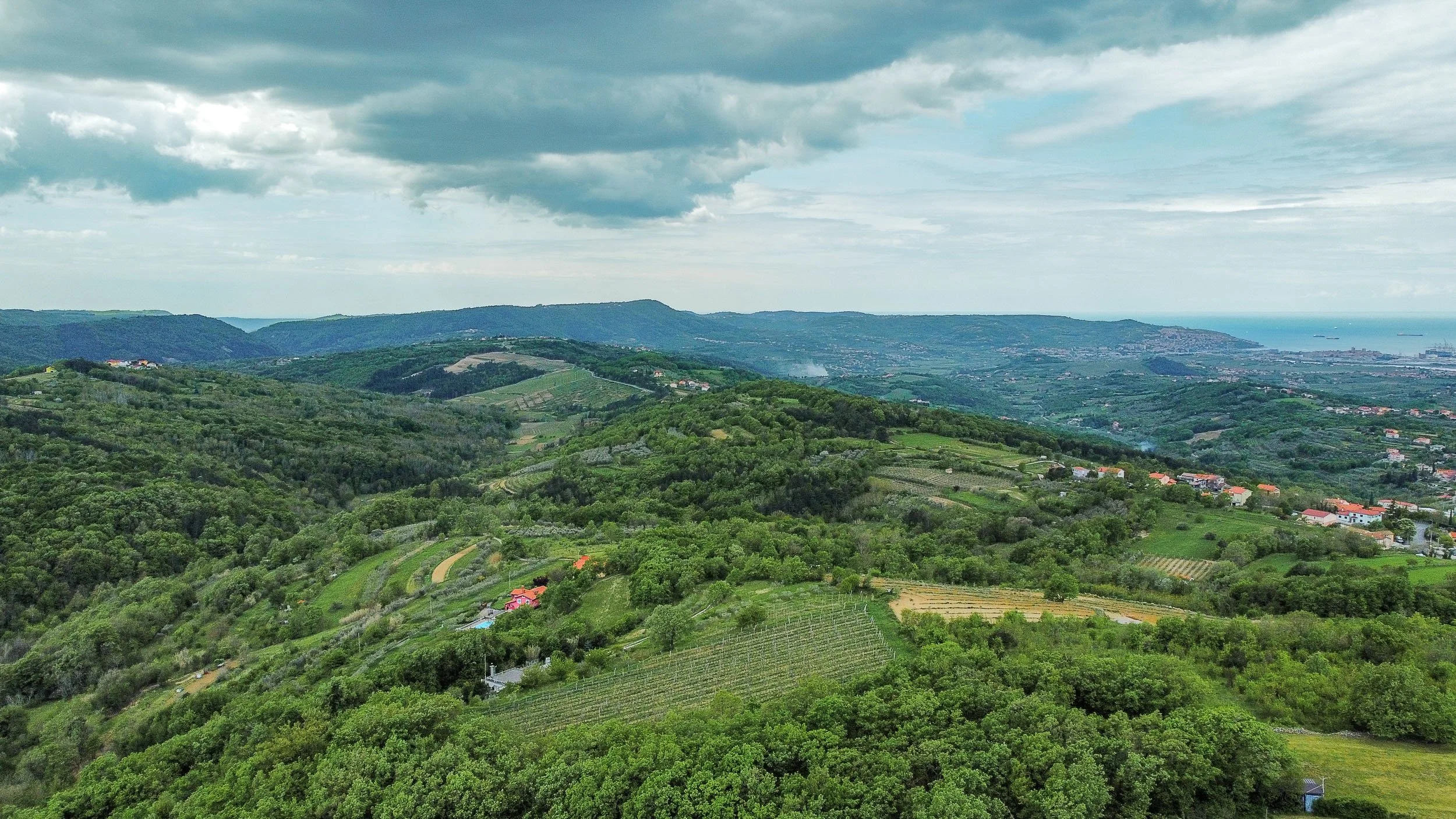
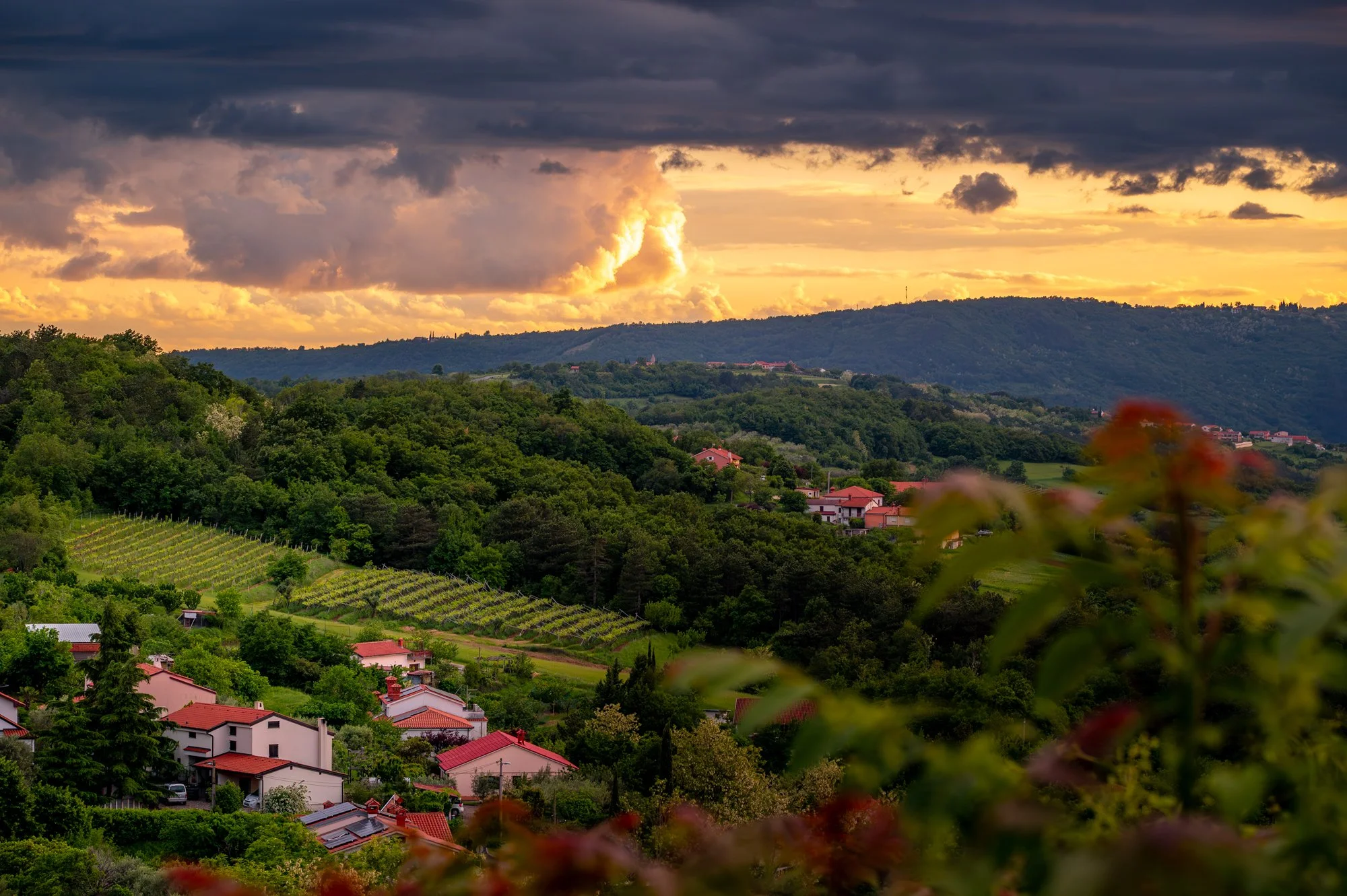
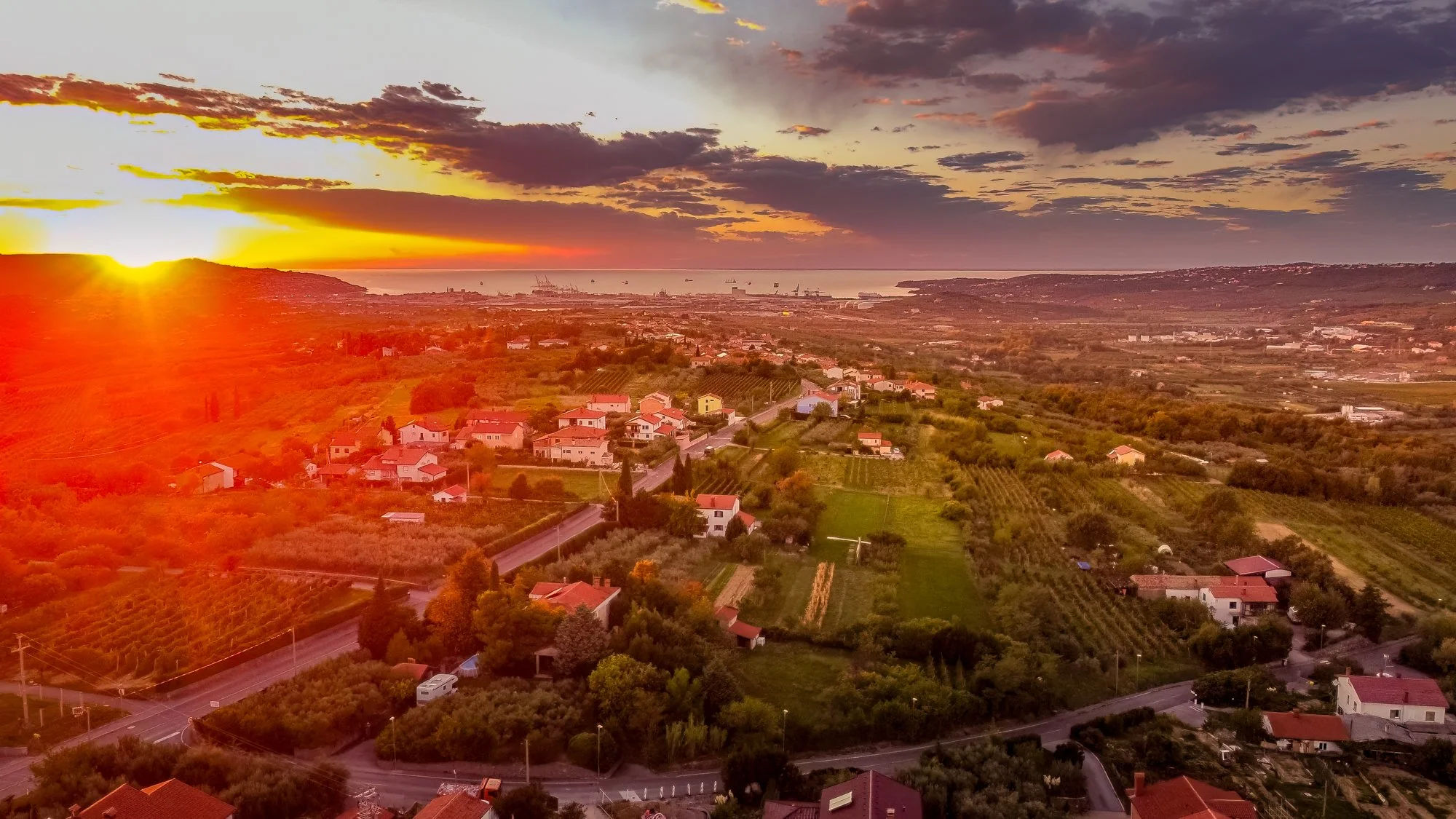
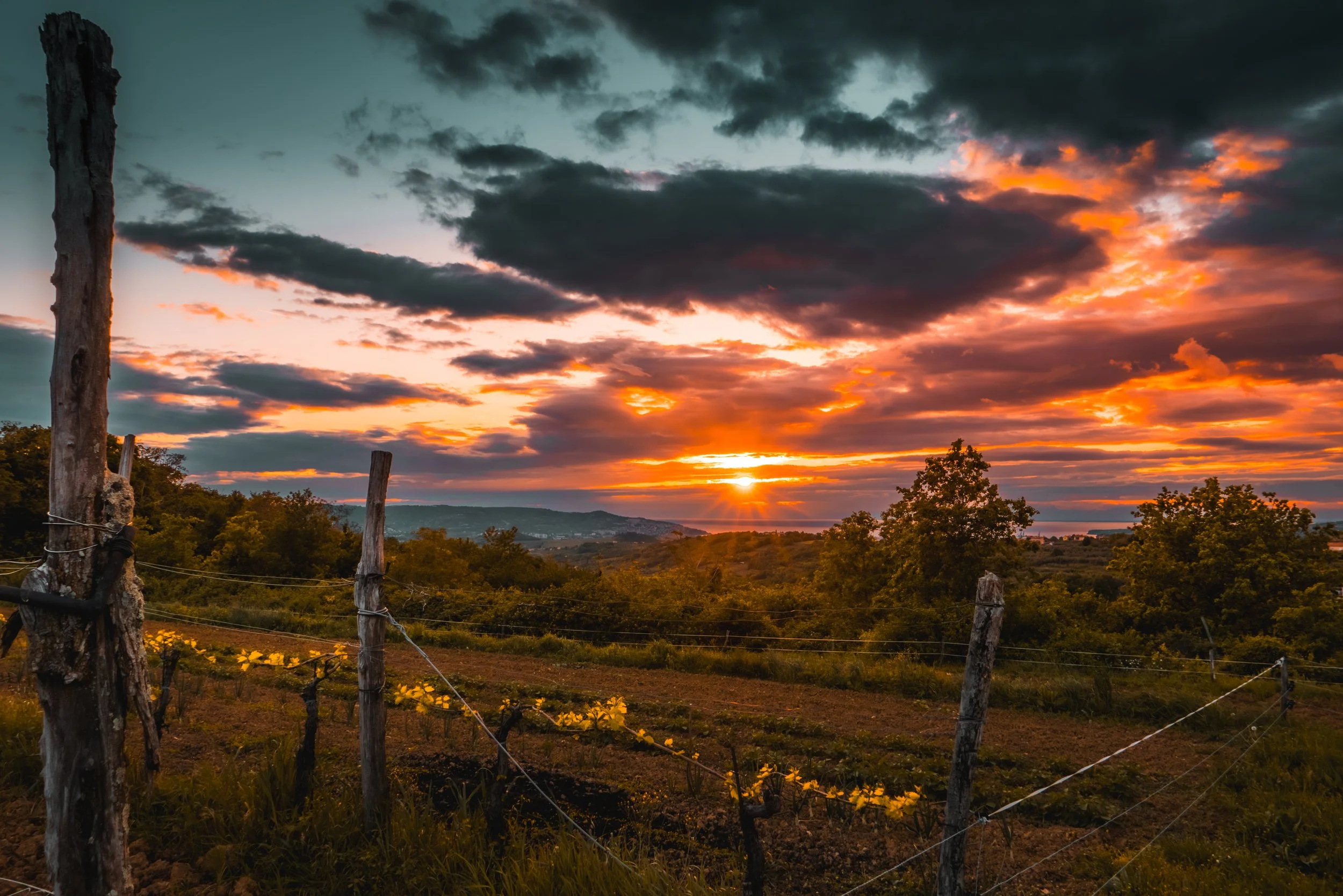
Sveti Anton is a historic Istrian village set across gentle hills above Koper, surrounded by vineyards, olive groves and open countryside. Its roots go back to the Bronze Age and the Histri tribes, followed by Roman settlement, and later shaped by the Venetian Republic and the Austro-Hungarian Monarchy. An old ridge road, still in use today, once connected the coastal towns with the interior of Istria and played an important role over the centuries.
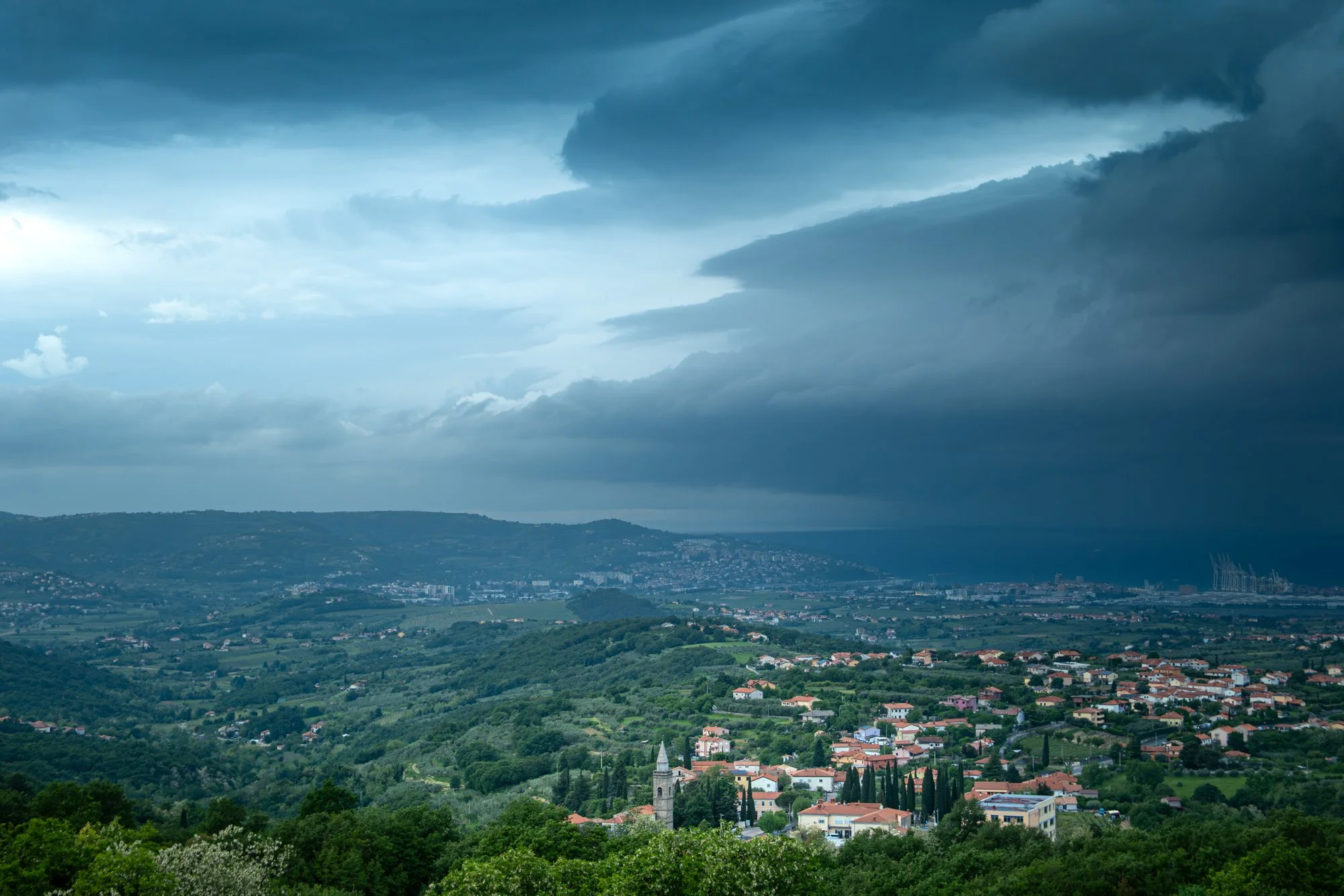
At its heart stands the parish church of St. Anthony the Abbot, alongside the cooperative home, the old and new school buildings and the nearby cemetery, around which village life has long unfolded. The wider area is made up of small hamlets, each carrying traces of large families, landscape and tradition.
Today, life here moves at a slower, more authentic pace, shaped by the land, local craftsmanship and a strong sense of community, where the rhythms of everyday life remain deeply connected to Istrian heritage. Visitors also have access to a local grocery store Mlinotest, Salva Caffè and a family bakery within the village.
A look into the past of Sveti Anton
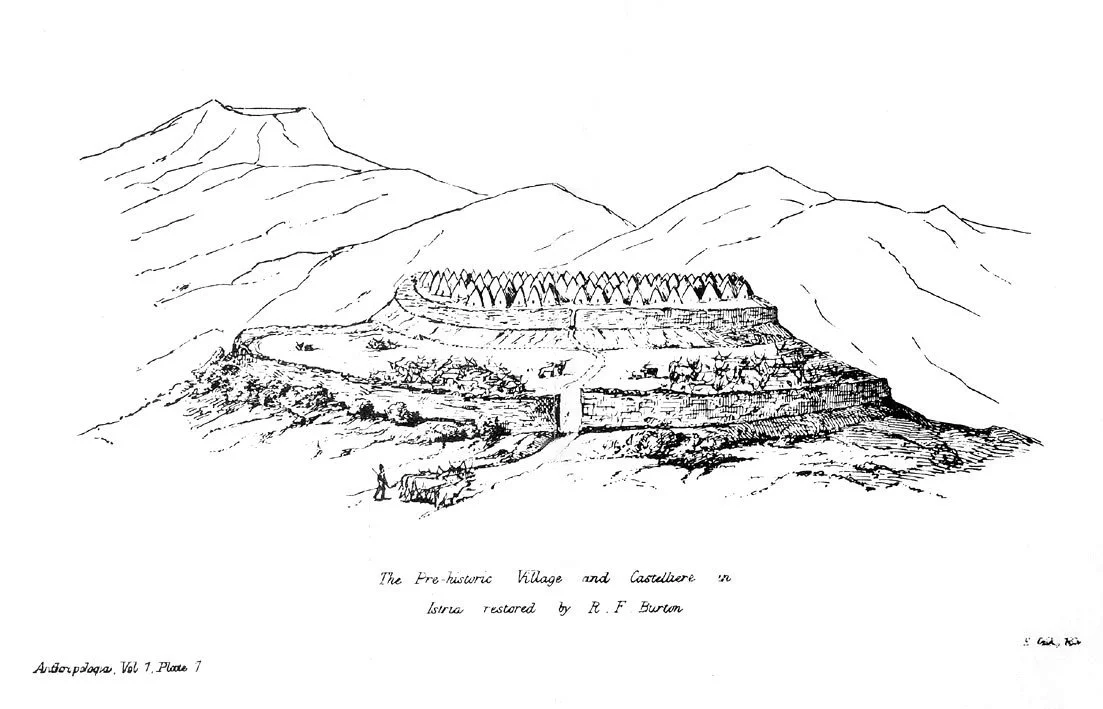
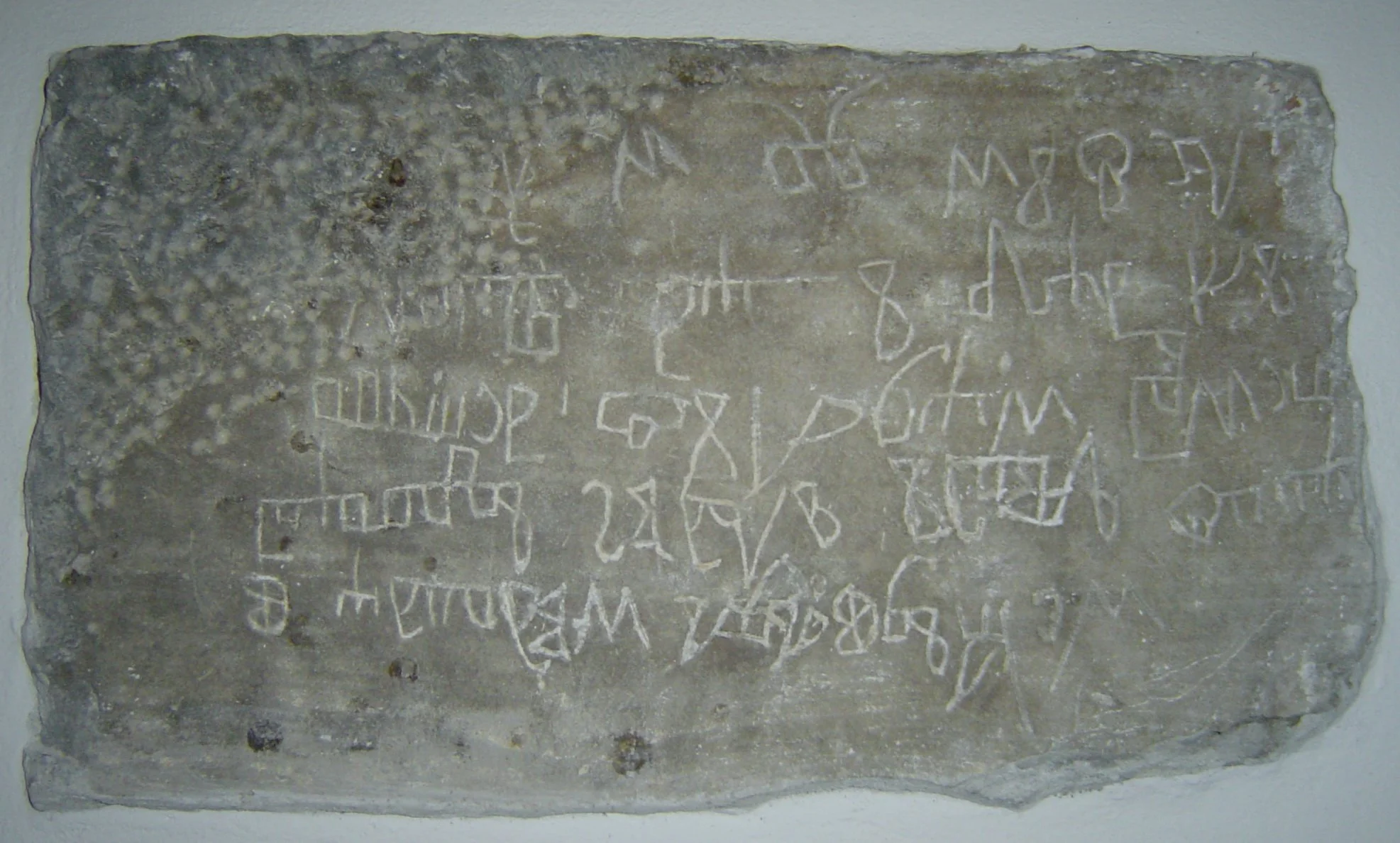
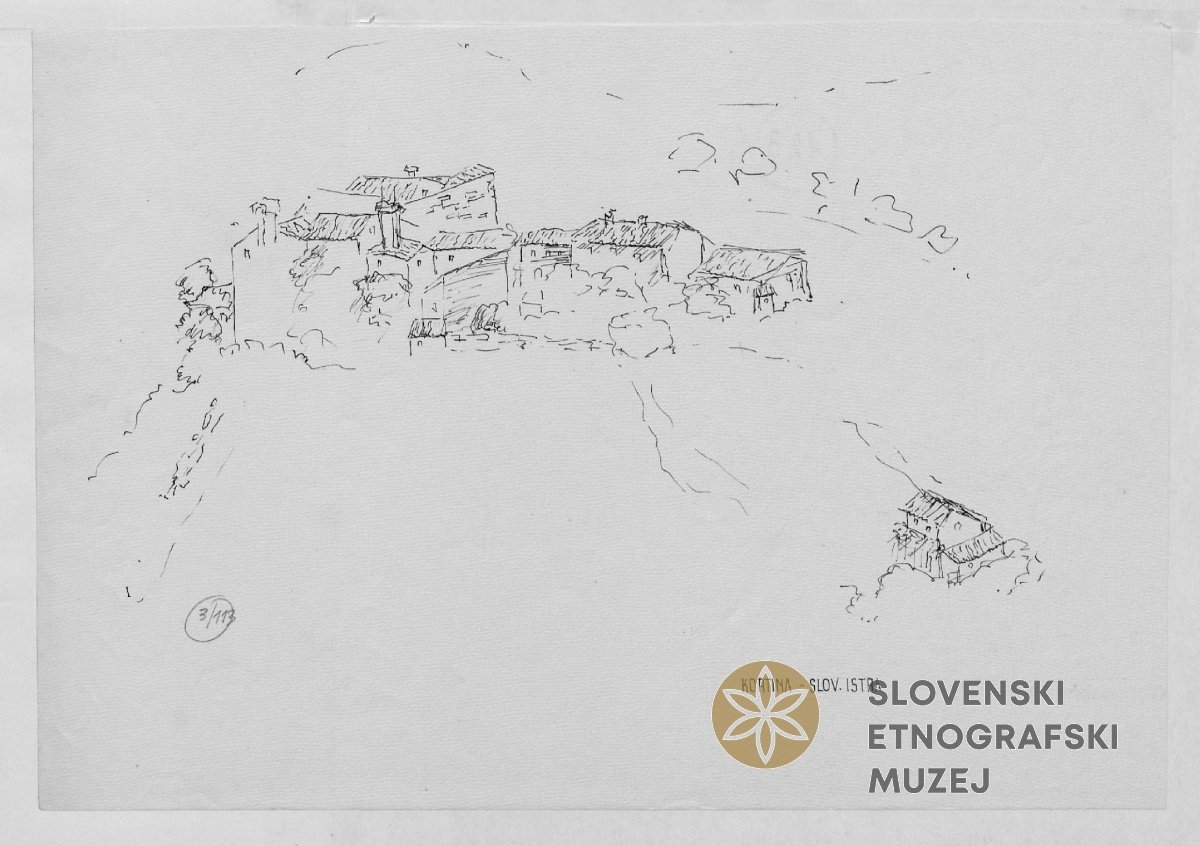
The history of Sveti Anton stretches far back into the past. On Kortina, a hill rising above the village, numerous archaeological finds reveal continuous settlement across different periods. The earliest traces point to the Histri, the pre-Roman inhabitants of Istria, who built fortified hilltop settlements known as hillforts and lived from agriculture, animal husbandry, hunting and fishing. Evidence suggests that even earlier prehistoric communities were present in the area.
In antiquity, the area formed part of the wider Koper region. Remains of ancient settlements and burial sites have been discovered in nearby hamlets such as Kortina, Pečki and Kavaliči. In the 6th century, Istria came under Byzantine rule, followed by periods of unrest marked by invasions of Avars and Slavs, who gradually settled the region.
A new chapter began in the 16th century, when settlers established small communities around the present-day village. According to local tradition, these early settlers founded several hamlets, including Turki, Gregoriči and Kavaliči. Their arrival coincided with shifting agricultural practices, as new inhabitants focused on livestock, while existing populations cultivated the land. The growing settlement soon gained importance, particularly under the Venetian Republic, which valued the steady income from rural production.
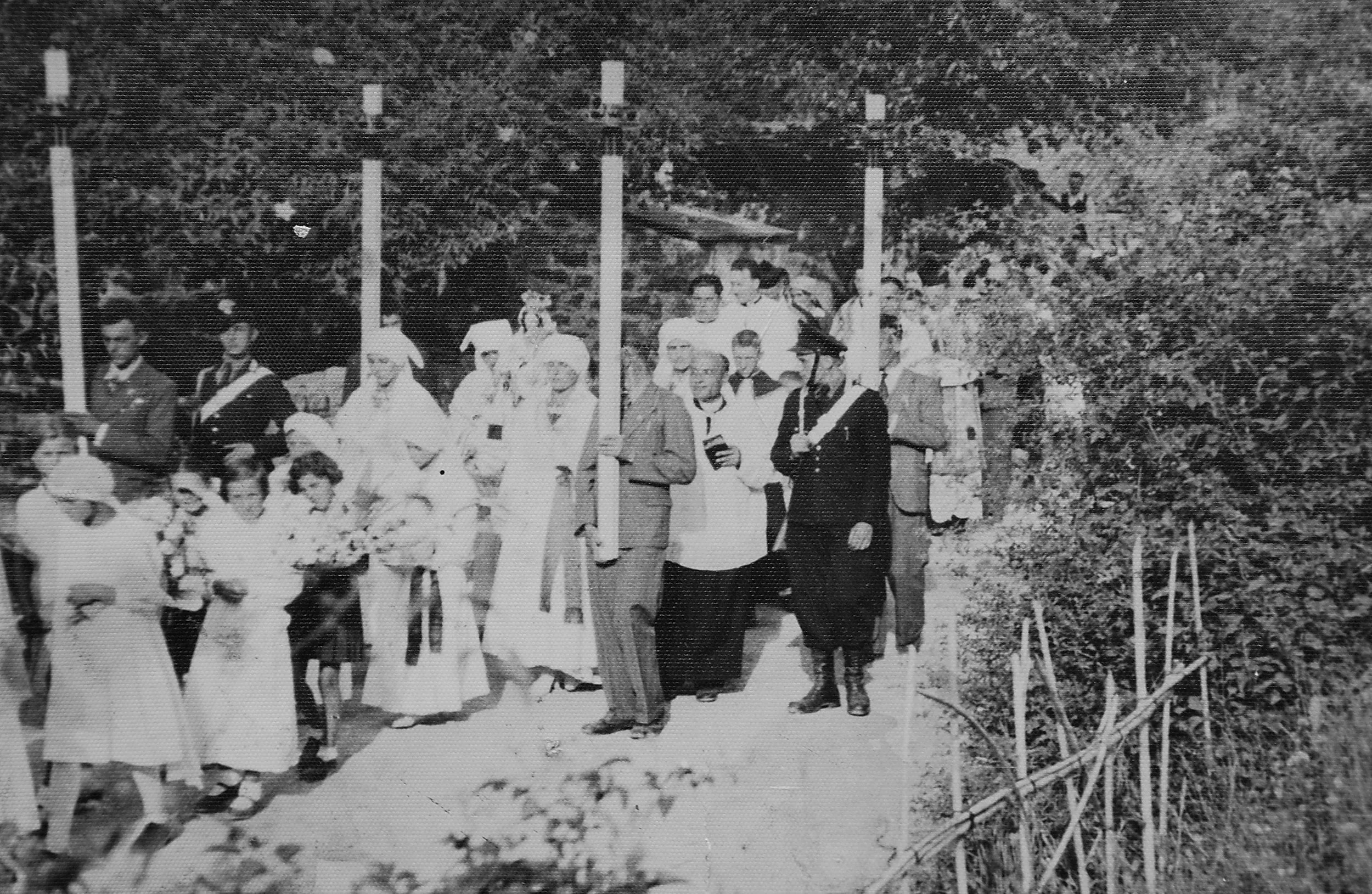
By the 17th century, the village had grown enough to establish a permanent parish. Life, however, was far from easy. The region faced wars, economic hardship and disease, including the devastating Uskok War and outbreaks of plague, which threatened the area but did not fully devastate it.
In the 18th century, conditions gradually improved. Agriculture, viticulture and animal husbandry became more established, and new crops such as corn and potatoes were introduced. Trade with nearby Trieste grew, sometimes informally, as economic ties shifted beyond the Venetian system.
The 19th century brought cultural and economic growth, with the rise of local associations and community life. This development was interrupted by the First World War and later by fascist policies that suppressed the Slovene language and identity, leading many residents to leave.
The Second World War left a deep mark on Sveti Anton. In October 1943, German forces carried out a devastating attack, burning houses and killing civilians in the village and surrounding areas. The event remains strongly remembered by the local community.
After the war, Sveti Anton became part of Zone B of the Free Territory of Trieste and underwent reconstruction and gradual development. New infrastructure, including a water supply and community buildings, improved living conditions. Over time, the village reconnected with the Slovenian coast, and after Slovenia’s independence, it regained its historic name, Sveti Anton.
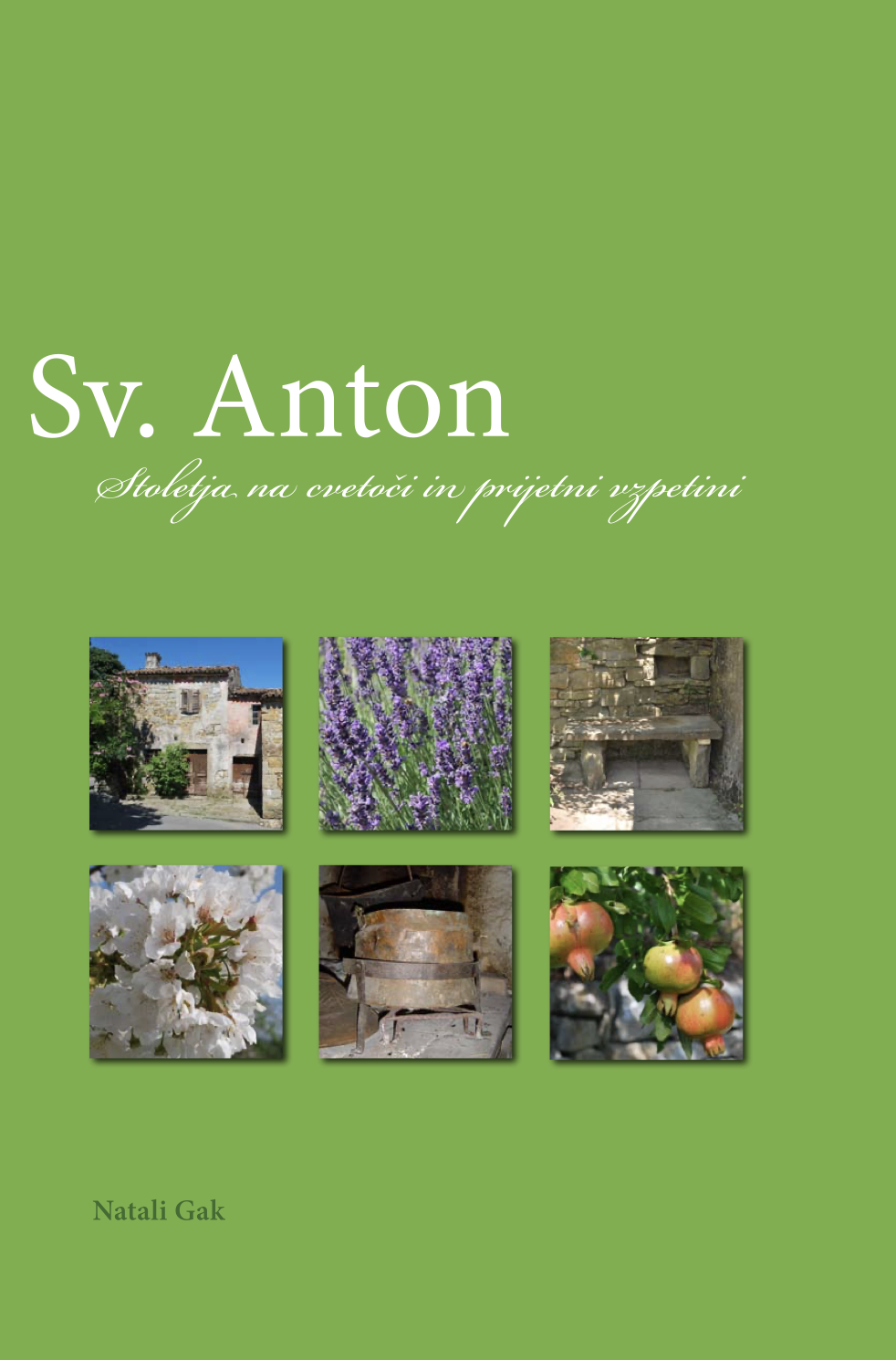
Sv. Anton, Stoletja na cvetoči in prijetni vzpetini
A book about the history of Sveti Anton.
Only in Slovene language, hardcover, 216 pages.